Welcome to AdsCollab (adscollab.com), your collaborative advertising platform that connects publishers with premium demand partners, advanced header bidding tools, and performance insights to drive sustainable revenue in an evolving digital ecosystem. As AI-powered search reshapes discovery—reducing clicks to traditional sites while prioritizing summarized, cited answers—mastering Generative Engine Optimization (also known as AI search optimization) has become essential for publishers to maintain visibility, traffic, and monetization potential in 2026.
Generative Engine Optimization, or GEO, focuses on making content more likely to be cited, quoted, or recommended in AI-generated responses from tools like Google AI Overviews, ChatGPT, Perplexity, Gemini, and Claude. Unlike traditional SEO, which targets rankings in blue-link results, GEO optimizes for inclusion in conversational, zero-click summaries where users often get answers without visiting the source. In 2026, with AI search usage surging and fewer than 10% of top-cited sources matching traditional top-10 Google results, GEO is converging with SEO to form a unified strategy that protects organic reach and supports ad revenue streams.
Understanding Generative Engine Optimization in 2026
GEO emerged as a response to generative AI's dominance in search. AI models synthesize information from web sources into coherent answers, often citing authoritative, well-structured content. Key differences from SEO include a focus on citability (being quoted directly), source trustworthiness (via E-E-A-T signals), and conversational relevance rather than just keyword matching.
In 2026, GEO is no longer experimental—it's a standard marketing practice. Brands track AI visibility metrics like share-of-answer and citation frequency alongside traditional traffic. AI engines prioritize comprehensive, verifiable content, making depth and clarity more valuable than exact-match keywords.

Why GEO Matters for Publishers and Ad Revenue
Zero-click searches reduce referral traffic, impacting display ad impressions and programmatic yields. Publishers who appear in AI summaries gain indirect benefits: brand exposure, potential backlinks from citations, and retained authority that boosts traditional SEO.
For ad-focused sites, strong GEO maintains visibility in high-intent queries, driving qualified traffic when users do click through. It also aligns with premium demand preferences for credible sources, supporting higher CPMs in header bidding setups. Failing to optimize risks invisibility in AI-driven discovery, where users increasingly start queries in chat interfaces.
Core Principles of Generative Engine Optimization
GEO builds on SEO fundamentals but adds layers for AI parsing. Prioritize E-E-A-T (Experience, Expertise, Authoritativeness, Trustworthiness) through author bios, citations, and verifiable claims. Structure content for easy extraction: clear headings, direct answers, and machine-readable formats.
Topic clusters replace siloed keyword pages—build interconnected content around broad subjects to demonstrate depth. First-party data, schema markup, and entity optimization (naming brands, people, concepts clearly) help AI understand and trust your site.
1. Shift to Topic Targeting Over Keyword Targeting
In 2026, generative engines favor comprehensive topic coverage. Instead of optimizing for specific phrases, target broader subjects with in-depth exploration. This increases the chance of citation across related queries.
Create pillar pages with subtopic clusters, using internal linking to reinforce expertise. AI models reward holistic answers, so covering angles, comparisons, and examples boosts selection probability.
2. Create Structured, Answer-First Content
Write with immediate value: start with TL;DR summaries, clear definitions, and direct responses to implied questions. Use Q&A formats, bullet-point lists, tables, and step-by-step guides that AI can extract verbatim.
Headings should mirror natural queries (e.g., "What is hybrid header bidding?"). Include statistics, quotes, and verifiable sources to enhance credibility and citability.

3. Build Authority Through Source Chains and Citations
AI evaluates trustworthiness via networks: who cites you, who you cite, and external mentions. Secure high-quality backlinks, guest posts, PR coverage, and Reddit/social discussions to strengthen your source chain.
Consistent brand mentions across trusted platforms (Wikipedia, industry directories) signal authority. Manage online reputation to ensure positive, accurate representations.
4. Implement Technical Optimizations for AI Crawlers
Use schema.org markup (FAQPage, HowTo, Article) to make content explicitly understandable. Ensure fast loading and mobile-friendliness, as AI tools pull from live web data.
Add structured data for entities and claims. Optimize for multimodal content—include alt text, captions, and descriptions for images/videos that AI might reference.
5. Focus on Conversational and Claim-Based Writing
Adopt a natural, explanatory tone that answers full questions conversationally. Make bold, evidence-backed claims with supporting data—AI prefers confident, sourced statements.
Incorporate statistics, expert quotes, and unique insights to stand out. Avoid fluff; prioritize clarity and completeness.
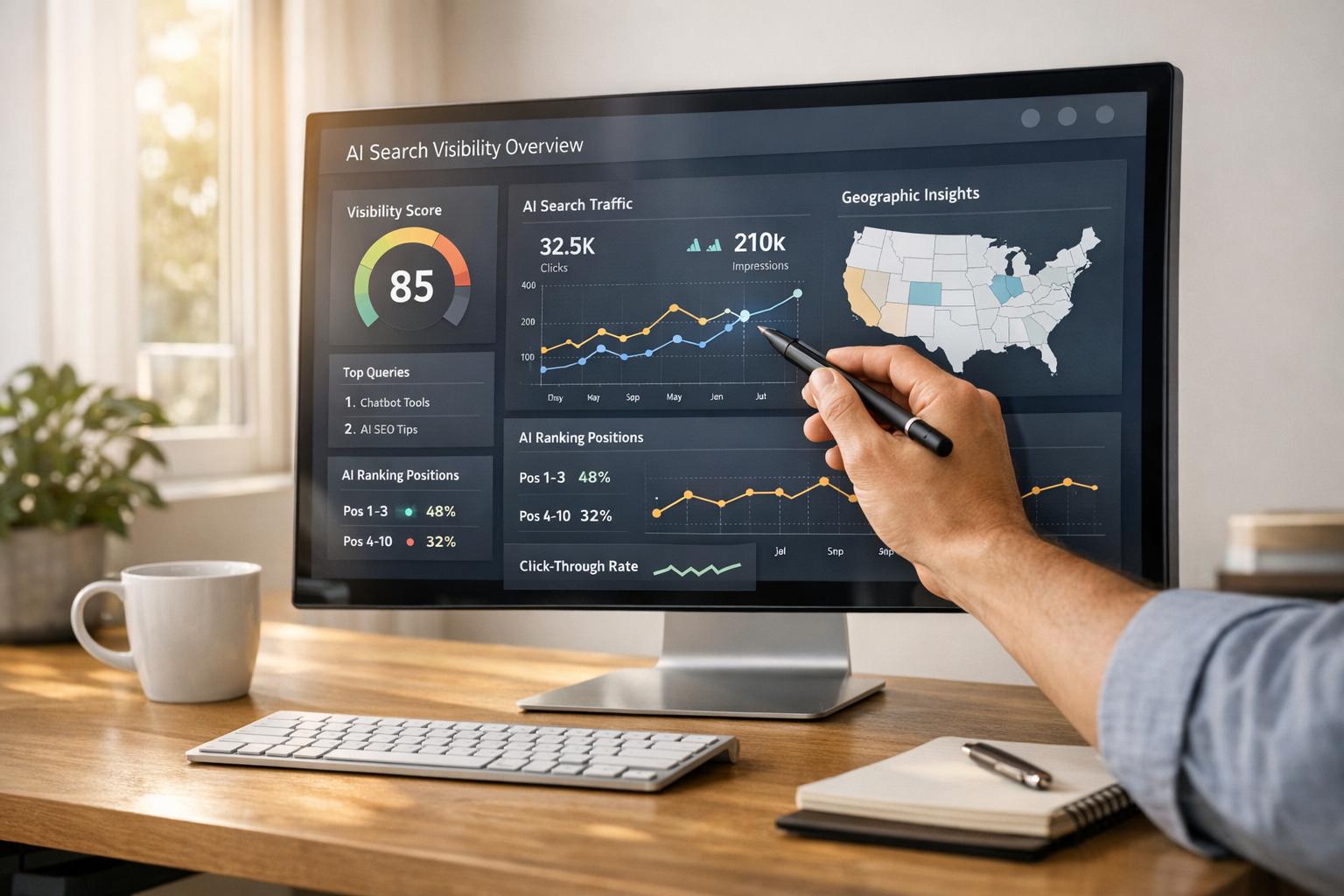
6. Monitor AI Visibility and Iterate
Use tools to track citations across engines (ChatGPT, Gemini, Perplexity). Measure share-of-answer, citation placement, and sentiment.
A/B test content variations: structured vs. narrative, with/without stats. Refine based on what gets cited most.
Integrating GEO with Traditional SEO and Monetization
GEO and SEO converge—strong traditional rankings feed AI results via live crawling. Maintain Core Web Vitals, mobile optimization, and backlinks while layering GEO tactics.
For publishers, GEO supports ad revenue by preserving traffic quality and authority signals that attract premium demand. Combine with hybrid header bidding for diversified income.
Challenges in GEO for 2026
Rapid AI model changes require constant adaptation. Citation inconsistency across engines complicates measurement. Over-optimization risks unnatural content that hurts user experience.
Competition intensifies as more adopt GEO—differentiation through unique data, original research, or niche expertise becomes key.
How AdsCollab Supports GEO-Optimized Publishing
AdsCollab (adscollab.com) complements GEO by providing tools for high-authority content monetization. Our platform's demand connections reward credible, visible sites with better fill rates and CPMs. Integrate GEO strategies with our header bidding and analytics to maximize revenue from both AI-referred and direct traffic.
Conclusion
Generative Engine Optimization (or AI search optimization) is reshaping visibility in 2026, demanding a shift toward citability, depth, and trustworthiness. By adopting topic-focused content, structured formats, authority building, and continuous monitoring, publishers can thrive amid AI-driven search. Start auditing top pages, implement answer-first structures, and track AI mentions to future-proof your site. Visit AdsCollab.com to explore how our collaborative tools enhance revenue in this new era of discovery

