Over the past few years, artificial intelligence has evolved from a simple assistant into something far more powerful: a system that can execute tasks, automate workflows, and even make decisions.
But most people are still using AI the wrong way.
They treat AI as:
- A writing tool
- A chatbot
- A productivity booster
Instead of what it has actually become:
A full-stack operational layer for modern workflows
Today, AI platforms are not just helping you work faster — they are replacing entire processes.
According to recent industry insights, only a small percentage of companies have fully integrated AI into their workflows, yet those who do achieve massive efficiency gains and cost savings.
This guide will help you understand:
- What AI platforms really are
- The different types you need to know
- Real-world examples with visuals
- How to choose the right platform for your goals
What Is an AI Platform?
An AI platform is a system that enables you to build, automate, and scale workflows using artificial intelligence.
Unlike standalone tools, these platforms:
- Integrate multiple capabilities (text, image, automation)
- Connect with other software systems
- Execute multi-step processes
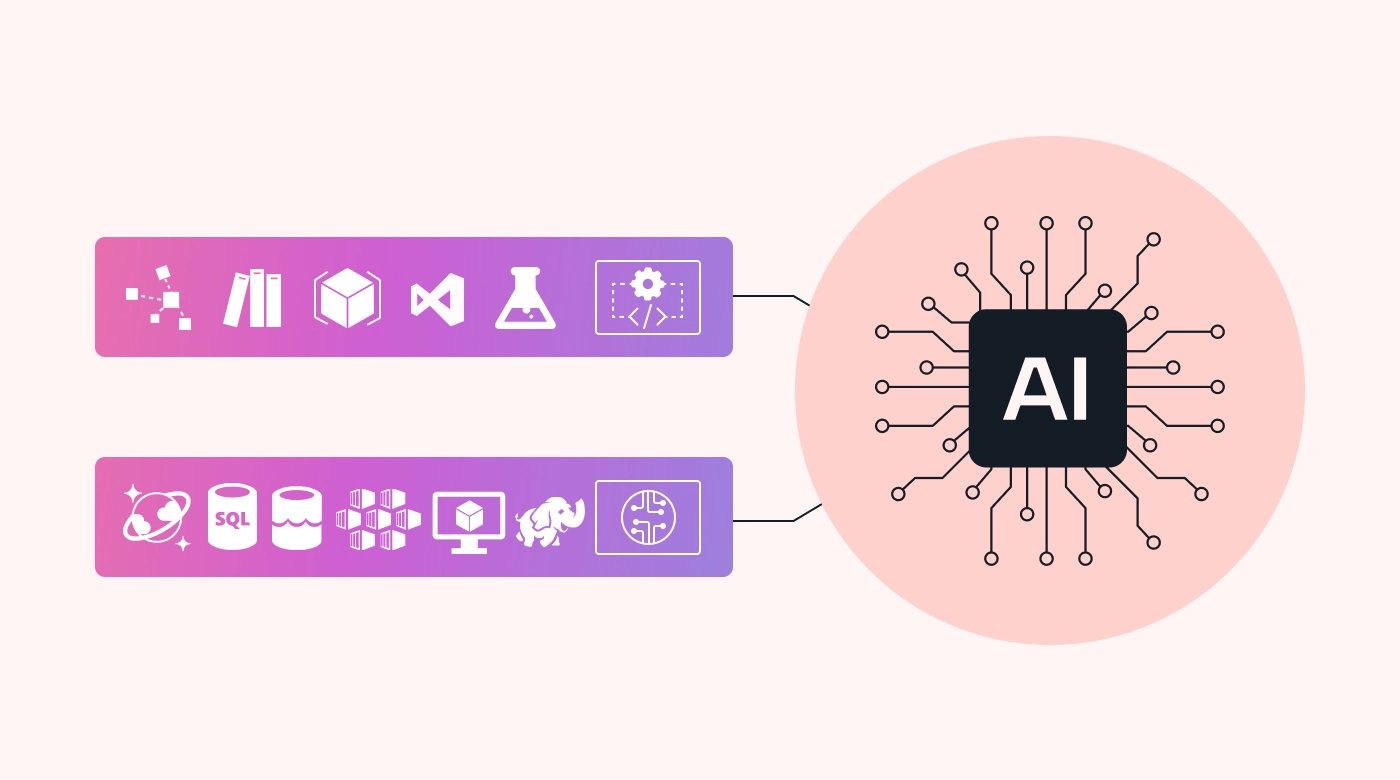
For example, platforms like Vertex AI provide a full environment to build, train, and deploy AI models within a single system.
Why AI Platforms Matter in 2026
The biggest shift is this:
From:
- Manual execution
- Tool-based workflows
To:
- Autonomous systems
- AI-driven operations
AI automation is already transforming industries by:
- Reducing repetitive work
- Improving accuracy
- Scaling operations without increasing headcount
This is why AI platforms are becoming the core infrastructure of digital businesses.
AI Platforms Are Replacing Traditional Tools
AI platforms are no longer just productivity add-ons. They are becoming the backbone of how people work, create, and scale online.
Instead of using 5–10 different tools for writing, automation, analytics, and design, users are shifting toward AI platforms that combine everything into a single workflow.
This shift is happening because modern AI can now:
- Handle repetitive tasks without supervision
- Generate content across multiple formats
- Connect and automate entire systems
As a result, the real question is no longer “Should you use AI?” but:
Which AI platforms are actually worth using in 2026?
AI Assistant Platforms (Everyday Use & Productivity)

AI assistants are the most accessible type of AI platform. They are designed to help users generate ideas, write content, solve problems, and speed up daily tasks.
These tools are ideal for beginners but also powerful enough for professionals.
What these tools are best for:
- Writing blogs, captions, and emails
- Answering questions and research
- Coding assistance
- Brainstorming ideas
Popular AI assistant tools:
- Chat-based AI for writing and Q&A
- Coding assistants for developers
- Research-focused AI tools
AI Automation Platforms (Workflow & Business Systems)
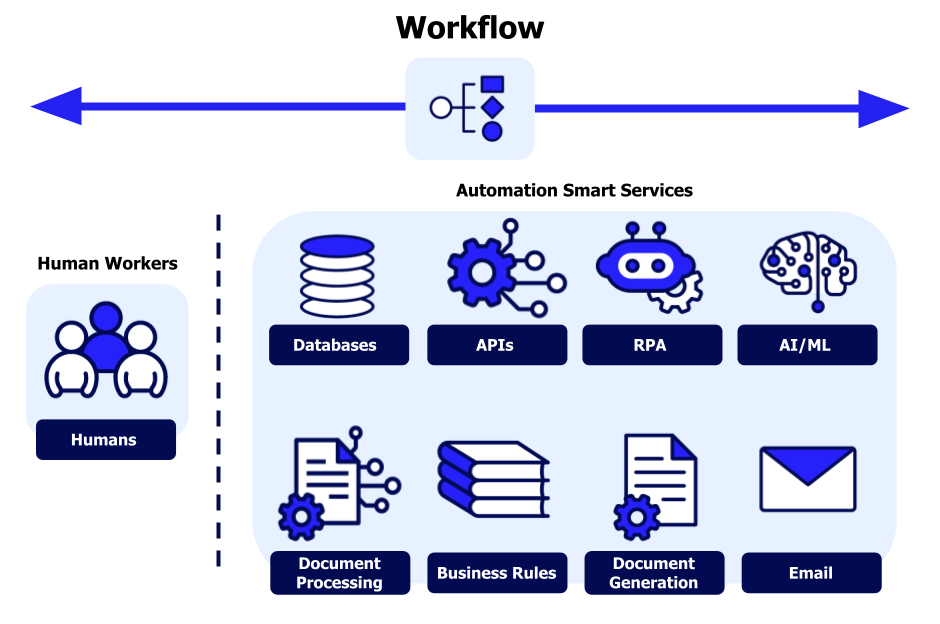
Automation platforms are designed to connect different apps and automate repetitive processes. They are widely used in business environments where efficiency and consistency matter.
Instead of manually moving data or triggering actions, these tools handle everything in the background.
What these tools are best for:
- Automating email sequences
- Syncing data between apps
- Managing customer workflows
- Running marketing campaigns
Popular automation tools:
- No-code workflow automation platforms
- Integration-based tools connecting apps
- AI-enhanced business automation systems
AI Agent Platforms (Automation + Intelligence)
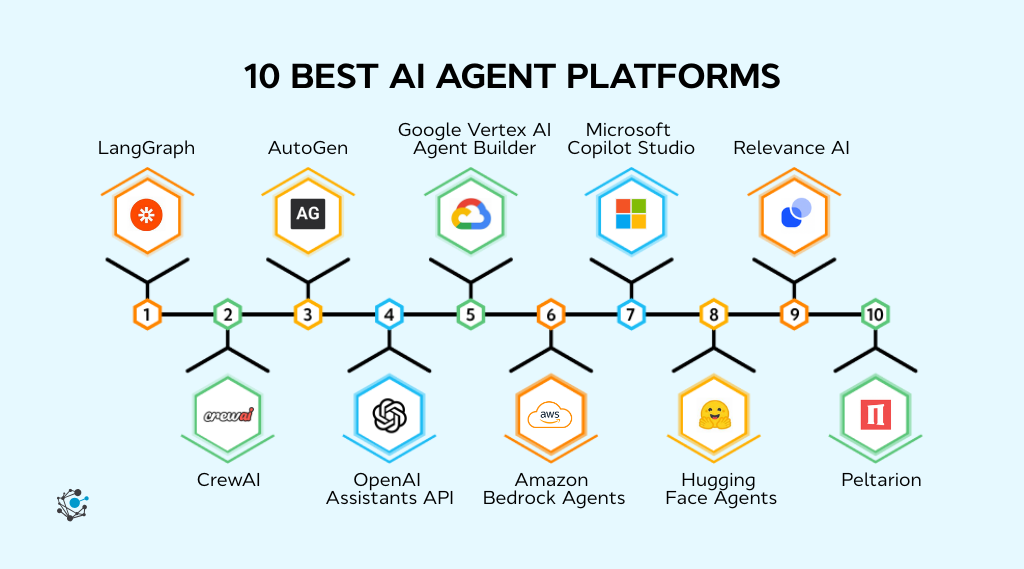
AI agent platforms represent the most advanced category of AI tools. They go beyond automation by allowing systems to think, plan, and execute tasks independently.
Instead of setting up fixed workflows, users can create AI agents that handle entire processes.
What these tools are best for:
- End-to-end workflow automation
- Lead generation systems
- Customer support automation
- Task execution across multiple tools
Popular AI agent platforms:
- AI agent builders for autonomous workflows
- Multi-step reasoning systems
- Business process automation agents
AI Content Platforms (Creation at Scale)

Content-focused AI platforms are designed to generate text, images, videos, and audio. They are especially useful for creators, marketers, and brands that need to produce content consistently.
These tools help reduce the time and cost of content production.
What these tools are best for:
- Blog writing and SEO content
- Social media posts
- Image and video generation
- Branding and design
Popular content AI tools:
- AI writing platforms
- Image generation tools
- Video creation AI
- All-in-one creative platforms
How to Choose the Right AI Platform
Choosing the right AI platform depends on your goals, level of experience, and the type of work you do.
Instead of focusing on “the best tool,” focus on what you actually need to achieve.
Ask yourself these questions:
- What is your main goal?
- Content creation → choose content AI platforms
- Automation → choose automation tools
- Full systems → choose AI agent platforms
- Do you need automation or intelligence?
- Automation handles tasks
- Intelligence makes decisions
- How complex is your workflow?
- Simple → AI assistants
- Medium → automation tools
- Advanced → AI agents
- Do you want long-term scalability?
- If yes, avoid single-purpose tools
Key insight:
The best AI platform is not the most popular one — it is the one that fits your workflow.
The Most Important Trend: From Tools to Systems

The biggest change in AI right now is the shift from individual tools to integrated systems.
In the past, users relied on:
- Separate tools for writing, automation, and design
Now, the trend is moving toward:
- Unified AI platforms that handle everything
This shift is important because it allows users to:
- Save time
- Reduce complexity
- Scale faster
AI Platforms Comparison (Quick Breakdown)
| Category | Strength | Weakness | Best For |
|---|---|---|---|
| Assistants | Easy to use | No automation | Individuals |
| Automation | Reliable workflows | Limited intelligence | Businesses |
| Agents | Autonomous, scalable | Learning curve | Growth teams |
| Content AI | Fast creation | No system integration | Creators |
Real-World AI Platform Use Cases

To understand the real power of AI platforms, look at how they are applied:
1. Marketing Automation
AI can:
- Generate content
- Personalize campaigns
- Distribute across channels
2. Finance & Data Processing
AI platforms automate:
- Document processing
- Fraud detection
- Data analysis
3. Content Production Systems
Modern AI platforms can:
- Generate blog posts
- Create visuals
- Adapt content for multiple platforms
Some platforms even combine text, image, audio, and video generation into one unified system, allowing users to build complete content pipelines.
How to Choose the Right AI Platform

Choosing the right AI platform depends on your goal.
1. Define Your Objective
- Content creation → AI content platforms
- Workflow automation → automation tools
- Full system → AI agent platforms
2. Understand the Difference Between Automation and Intelligence
- Automation = predefined rules
- Intelligence = decision-making
If your goal is scalability:
→ Choose platforms that support AI agents
3. Consider Integration Capabilities
The best AI platforms:
- Connect with your existing tools
- Support APIs
- Allow multi-step workflows
4. Think Long-Term
Avoid tools that:
- Solve only one task
- Cannot scale
Instead, choose platforms that:
- Build systems
- Replace workflows
The Future of AI Platforms
The next evolution of AI platforms is already happening:
From:
- Tools
To:
- Autonomous systems
Emerging platforms are integrating:
- Multiple AI models
- Automation layers
- Agent-based execution
Some startups are even building unified platforms that combine multiple AI tools into a single workflow system for teams and enterprises.
Final Thoughts
AI platforms are not just about productivity anymore.
They are about:
- Replacing manual workflows
- Scaling operations
- Building intelligent systems
Most people are still using AI to save time.
But the real opportunity is this: Use AI platforms to build systems that work without you