In today’s digital landscape, search engine optimization (SEO) is no longer optional—it is essential. Among the various branches of SEO, on-page SEO optimization plays a foundational role in determining how well your website performs in search engine rankings. It involves optimizing individual web pages to improve visibility, enhance user experience, and align with search engine algorithms.
What is On-Page SEO Optimization?
On-page SEO refers to all the measures taken directly within your website to improve its position in search rankings. This includes optimizing content, HTML source code, and page structure—unlike off-page SEO, which focuses on external signals such as backlinks.
Effective on-page SEO ensures that search engines clearly understand your content while also delivering value to users. It is the intersection of technical precision and high-quality content creation.
Why On-Page SEO Matters
Search engines aim to deliver the most relevant and valuable results to users. On-page SEO helps you:
- Improve search engine visibility
- Increase organic traffic
- Enhance user experience
- Boost conversion rates
- Strengthen topical authority
Without proper on-page SEO optimization, even the best content may struggle to rank.
Keyword Research and Optimization

Understanding Keyword Intent
Before optimizing any page, you must identify the right keywords. Keyword intent falls into four categories:
- Informational (e.g., “what is on-page SEO”)
- Navigational (e.g., brand-specific searches)
- Transactional (e.g., “buy SEO tools”)
- Commercial investigation (e.g., “best SEO software”)
Aligning your content with user intent is critical for achieving high rankings.
Keyword Placement
Strategic keyword placement ensures that search engines recognize the relevance of your content. Your primary keyword—on-page SEO optimization—should appear in:
- Title tag
- Meta description
- URL
- Headings (H1, H2, H3)
- First 100 words
- Throughout the content naturally
Avoid keyword stuffing. Maintain a natural flow to preserve readability and professionalism.
Crafting High-Quality Content

Content Depth and Relevance
High-ranking pages provide comprehensive and valuable information. Aim for:
- In-depth explanations
- Practical examples
- Clear structure
- Updated information
Content should answer user queries thoroughly while maintaining clarity.
Content Readability
Readable content improves engagement and reduces bounce rates. Best practices include:
- Short paragraphs
- Clear headings and subheadings
- Bullet points and lists
- Simple, professional language
Content Freshness
Regularly updating content signals relevance to search engines. Refresh outdated data, add new insights, and optimize based on performance metrics.
Title Tags and Meta Descriptions
Title Tag Optimization
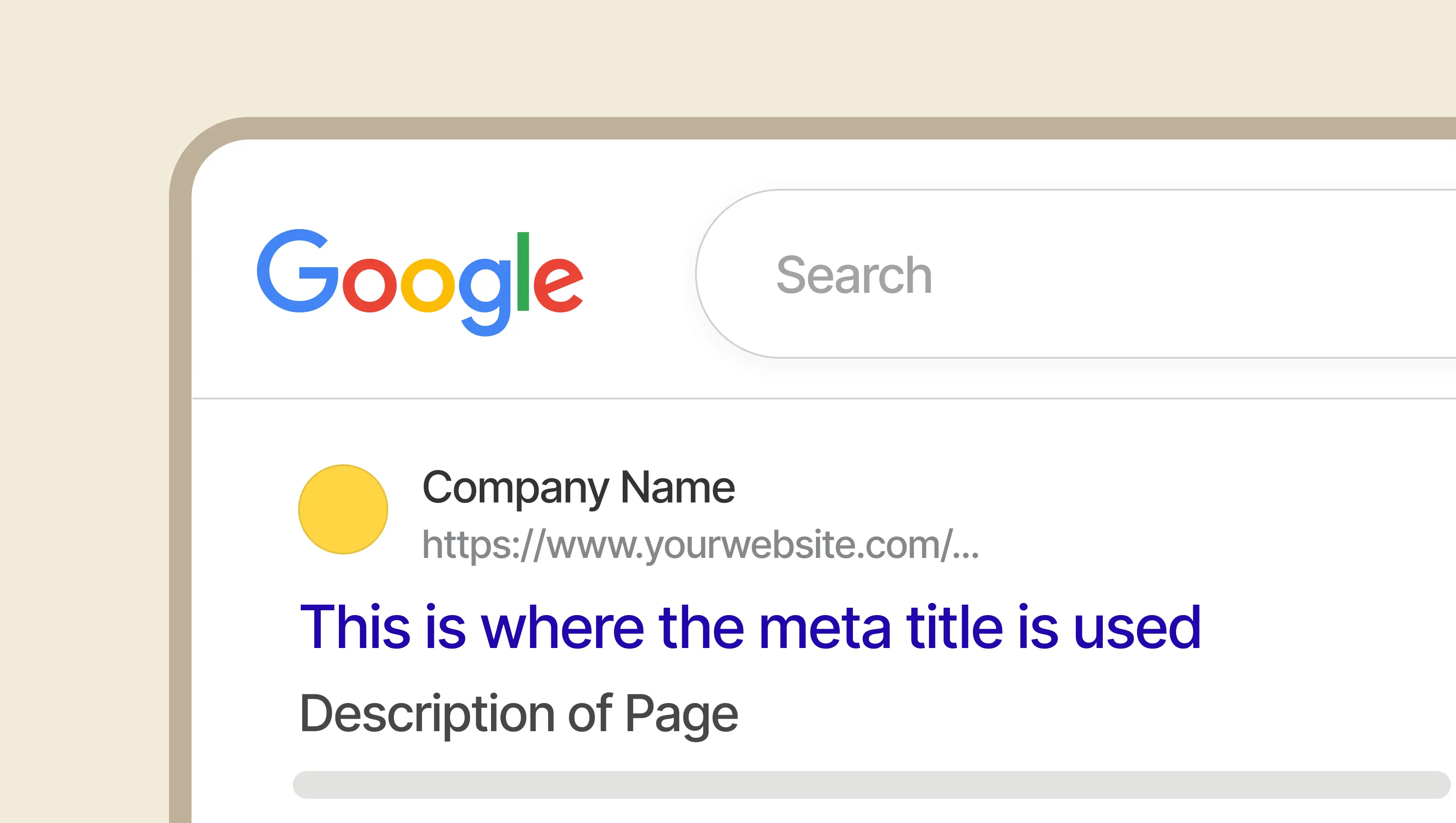
The title tag is one of the most important on-page SEO elements. It should:
- Include the main keyword
- Be under 60 characters
- Be compelling and clickable
Example:
On-Page SEO Optimization: Ultimate Guide to Higher Rankings
Meta Description Optimization
Although not a direct ranking factor, meta descriptions influence click-through rates. Best practices:
- Keep it under 160 characters
- Include the main keyword
- Use persuasive language
URL Structure
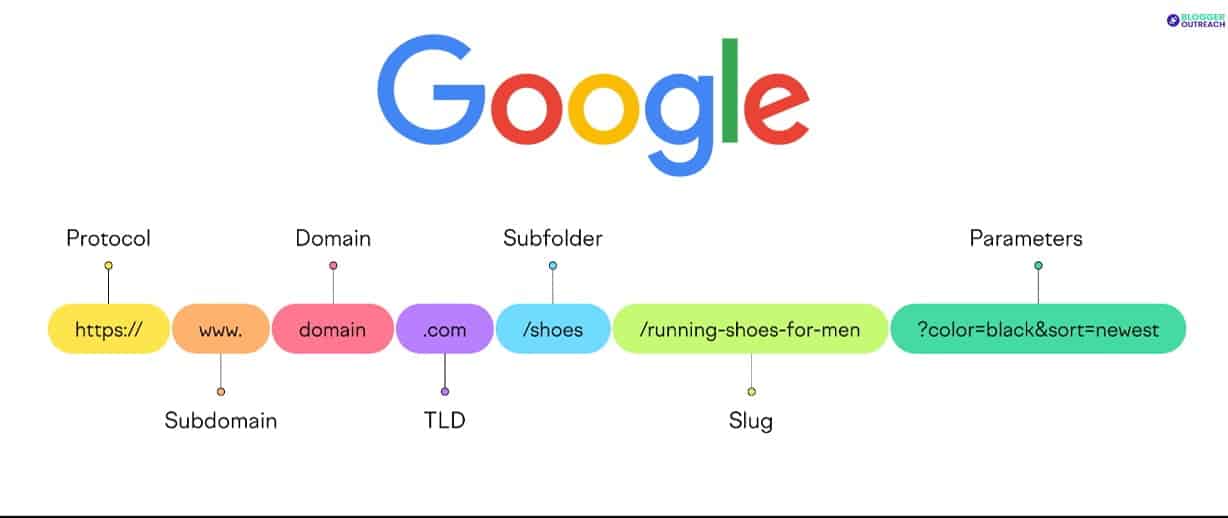
SEO-friendly URLs should be:
- Short and descriptive
- Keyword-rich
- Easy to read
Example:
/on-page-seo-optimization-guide
Avoid unnecessary parameters and complex structures.
Header Tags (H1, H2, H3)
.png)
Header tags organize your content and improve readability. They also help search engines understand the structure of your page.
- H1: Main title (only one per page)
- H2: Main sections
- H3: Subsections
Use keywords naturally within headers to reinforce relevance.
Internal Linking Strategy
Internal links connect your pages and distribute authority across your site. Benefits include:
- Improved crawlability
- Enhanced user navigation
- Increased time on site
Best practices:
- Use descriptive anchor text
- Link to relevant pages
- Avoid overlinking
Image Optimization
Images enhance user experience but must be optimized for SEO.
Best Practices
- Use descriptive file names
- Add alt text with keywords
- Compress images for faster loading
- Use modern formats (e.g., WebP)
Optimized images improve both accessibility and page performance.
Page Speed Optimization
Page speed is a critical ranking factor. Slow-loading pages negatively impact user experience and rankings.
How to Improve Page Speed
- Minimize HTTP requests
- Enable browser caching
- Use a content delivery network (CDN)
- Optimize images and scripts
- Reduce server response time
Fast-loading pages lead to higher engagement and better SEO performance.
Mobile-Friendliness
With mobile-first indexing, search engines primarily use the mobile version of your site for ranking.
Mobile Optimization Tips
- Use responsive design
- Ensure readable text without zooming
- Optimize touch elements
- Avoid intrusive pop-ups
A mobile-friendly site is essential for modern SEO success.
User Experience (UX) and Engagement
Search engines increasingly prioritize user experience signals.
Key UX Factors
- Low bounce rate
- High dwell time
- Easy navigation
- Clear call-to-action (CTA)
Providing value and a seamless experience encourages users to stay longer and interact more.
Schema Markup and Structured Data

Structured data helps search engines understand your content better and can enhance search results with rich snippets.
Benefits
- Improved visibility
- Higher click-through rates
- Enhanced search appearance
Common schema types include:
- Articles
- FAQs
- Reviews
- Products
Content Optimization Techniques
Semantic SEO
Use related keywords and synonyms to provide context. This improves relevance and helps search engines understand topic depth.
LSI Keywords
Latent Semantic Indexing (LSI) keywords support your main keyword. For example:
- On-page SEO techniques
- SEO content optimization
- Website optimization strategies
Content Formatting
Proper formatting improves readability and SEO:
- Use bold and italics strategically
- Break content into sections
- Maintain consistent style
Avoiding Common On-Page SEO Mistakes
Even experienced marketers make mistakes. Avoid:
- Keyword stuffing
- Duplicate content
- Missing meta tags
- Poor internal linking
- Slow page speed
Regular audits help identify and fix these issues.
Measuring On-Page SEO Performance

Tracking performance is essential for continuous improvement.
Key Metrics
- Organic traffic
- Keyword rankings
- Bounce rate
- Average session duration
- Click-through rate (CTR)
Tools for Analysis
Use analytics and SEO tools to monitor and refine your strategy.
Advanced On-Page SEO Strategies
Topic Clusters
Organize content into clusters around a central topic. This improves authority and internal linking.
Content Personalization
Tailor content based on user behavior and preferences to enhance engagement.
Voice Search Optimization
Optimize for conversational queries and long-tail keywords to capture voice search traffic.
The Future of On-Page SEO Optimization
SEO continues to evolve with advancements in artificial intelligence and search algorithms.
Emerging Trends
- AI-driven content optimization
- Search intent refinement
- Core Web Vitals importance
- Natural language processing (NLP)
Staying updated with these trends ensures long-term success.
Conclusion
On-page SEO optimization is a critical component of any successful digital marketing strategy. By focusing on high-quality content, strategic keyword usage, technical optimization, and user experience, you can significantly improve your website’s visibility and performance.
Consistency, analysis, and adaptation are key. SEO is not a one-time effort but an ongoing process that requires continuous refinement.
Mastering on-page SEO will not only help you rank higher but also create meaningful experiences for your audience—ultimately driving sustainable growth and long-term success.