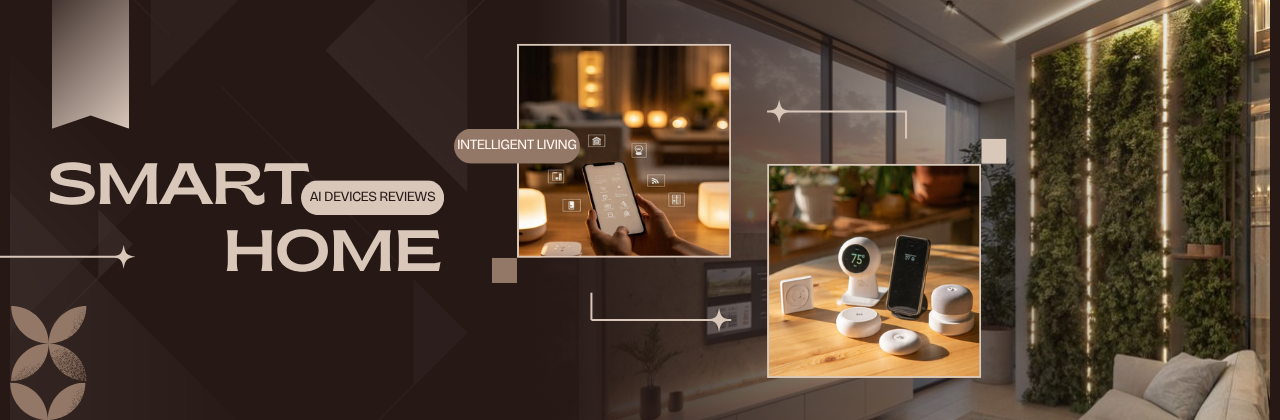
Smart homes are no longer a distant vision—they are becoming a standard part of modern living. With the integration of artificial intelligence into everyday devices, homes are evolving into responsive environments that adapt to human behavior rather than simply reacting to commands. AI-driven systems can now learn routines, predict needs, and automate tasks in ways that significantly reduce manual effort while improving comfort and efficiency.
However, as the market expands rapidly, users are faced with an overwhelming number of choices. Not every device lives up to its promises, and factors such as ecosystem compatibility, data privacy, and long-term usability often determine whether a product becomes essential or obsolete. This is why in-depth reviews are critical—not just to highlight features, but to evaluate real-world performance and practical value.
A meaningful review system must go far beyond marketing claims. It needs to reflect how devices behave in everyday environments, across different users, and over extended periods of time. Each criterion below plays a crucial role in determining the true value of a smart home product.
Evaluation Framework: How Smart Devices Are Truly Assessed

1. Performance & Accuracy
Performance is where expectations meet reality. Many smart devices advertise intelligent automation, but their effectiveness depends on how accurately they interpret inputs and execute actions. For example, a voice assistant may claim near-perfect recognition, but background noise, accents, or phrasing variations can significantly affect outcomes in real-world usage.
Equally important is the device’s ability to improve over time. AI-powered systems should learn from repeated interactions—adjusting lighting preferences, recognizing frequently used commands, or optimizing schedules automatically. Devices that remain static in behavior often feel outdated quickly, while adaptive systems create a sense of seamless intelligence.
Consistency is another key factor. A device that works perfectly 80% of the time but fails unpredictably can be more frustrating than a simpler, fully reliable alternative. Long-term testing often reveals whether performance is stable or degrades under different conditions such as network congestion or multi-device usage.
2. Ease of Use
Ease of use determines whether a smart device actually enhances daily life or becomes an unnecessary complication. The onboarding experience is especially critical—users should be able to set up devices quickly without requiring technical expertise or extensive troubleshooting.
Beyond setup, the interface plays a major role in long-term usability. Mobile apps must be intuitive, responsive, and logically organized. If users struggle to find settings, create automations, or understand system feedback, the value of the device diminishes significantly.
Voice interaction is another layer of usability. Natural language processing should allow flexible commands rather than forcing users to memorize rigid phrases. The best systems feel conversational, while weaker ones require repeated attempts and precise wording.
3. Integration & Compatibility
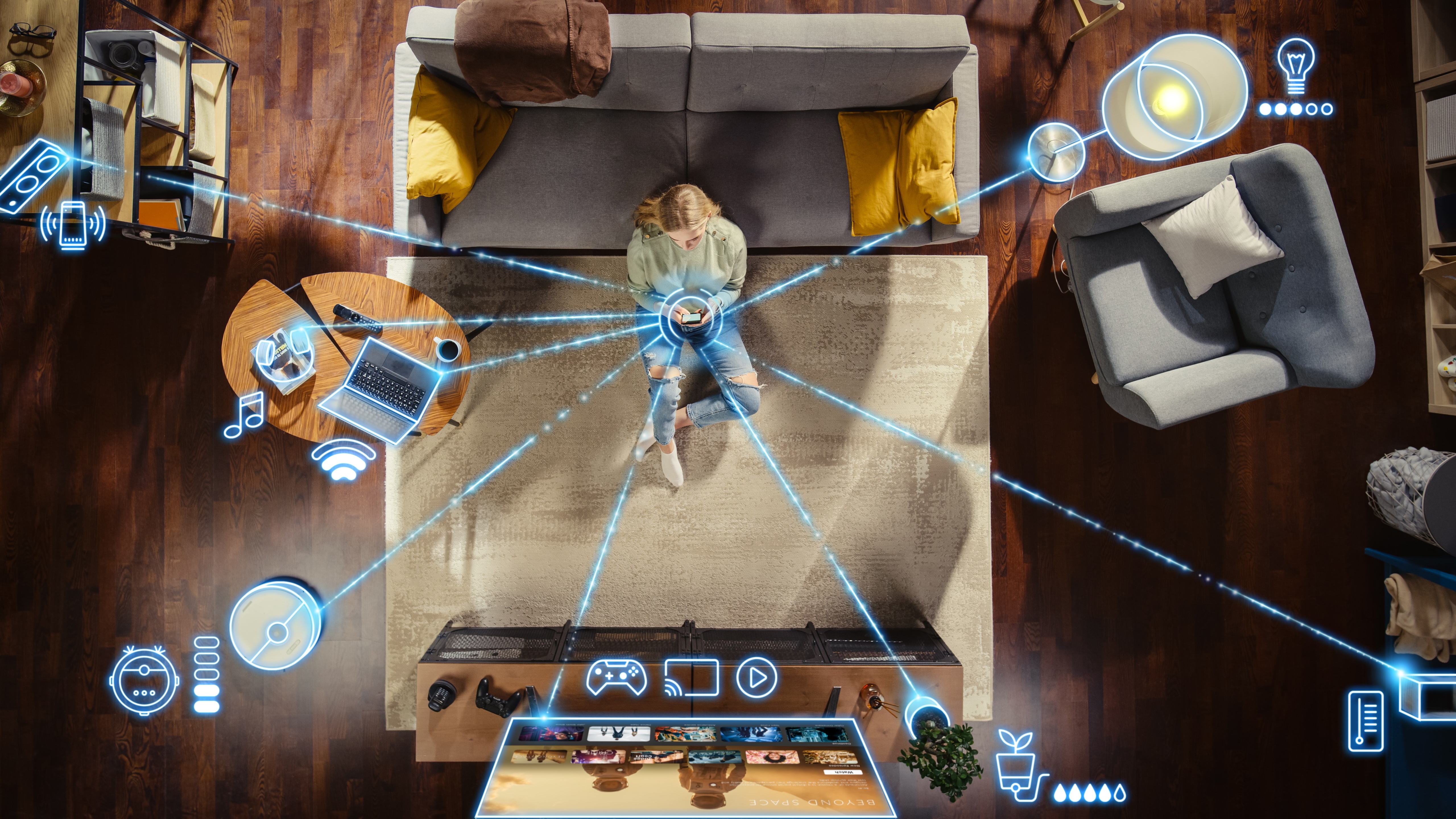
A smart home is rarely built with devices from a single brand. Instead, it is an ecosystem of interconnected products, and their ability to work together defines the overall experience. Compatibility issues can quickly fragment the system, forcing users to juggle multiple apps or lose access to key features.
Devices that support major ecosystems—such as Google, Apple, or Amazon—offer greater flexibility and longevity. Even more important is their ability to communicate with other devices seamlessly. For example, a motion sensor triggering lights, or a door lock activating security cameras, represents true smart home synergy.
The emergence of universal standards aims to solve fragmentation, but not all devices support them equally. Reviews must therefore assess not just current compatibility, but also future-proofing potential.
4. Security & Privacy
As smart devices collect increasing amounts of personal data, security and privacy have become central concerns rather than optional considerations. Devices with microphones, cameras, and usage tracking capabilities must handle data responsibly to maintain user trust.
Encryption standards are the first line of defense, ensuring that data transmitted between devices and servers cannot be easily intercepted. However, transparency is equally important—users should understand what data is collected, how it is used, and whether it is shared with third parties.
Control is another critical element. The ability to disable certain features, delete stored data, or limit access permissions empowers users to manage their privacy proactively. Devices that lack these options often face skepticism, regardless of their technical capabilities.
5. Value for Money
The concept of value goes beyond price alone. A high-end device may justify its cost through superior performance, durability, and ecosystem integration, while a budget option might deliver excellent functionality with minor compromises.
Long-term value is especially important in the smart home space. Devices should receive regular software updates, maintain compatibility with evolving ecosystems, and remain functional for years rather than becoming obsolete quickly.
Ultimately, the best products strike a balance between affordability and meaningful innovation, offering features that genuinely improve daily life rather than simply adding complexity.
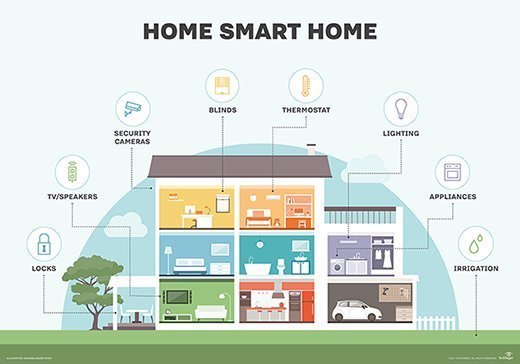
Smart Home Device Categories: A Detailed Exploration
1. Smart Speakers & Voice Assistants
Smart speakers serve as the command center of many smart homes, acting as the primary interface between users and their devices. Their importance lies not just in voice control, but in their ability to unify different systems under a single platform.
These devices excel when they can interpret natural language accurately and respond quickly, allowing users to control lighting, temperature, entertainment, and more without physical interaction. Over time, they also become more personalized, adapting to individual preferences and routines.
However, their limitations often stem from ecosystem lock-in and privacy concerns. Users may find themselves restricted to certain brands or services, while the presence of always-on microphones raises questions about data collection. Despite these challenges, smart speakers remain one of the most accessible entry points into smart home technology.
2. Smart Lighting Systems
Lighting systems represent one of the most practical and impactful applications of smart technology. Beyond simple on/off control, modern systems offer dynamic brightness adjustments, color customization, and automation based on time, activity, or environmental conditions.
In daily life, this translates into improved comfort and efficiency. Lights can gradually brighten in the morning to simulate sunrise, adjust throughout the day to support productivity, and dim in the evening to promote relaxation. Energy savings also become significant when lights automatically turn off in unused spaces.
The main barrier to adoption is cost, particularly for large-scale installations. However, modular systems allow users to start small and expand over time, making smart lighting a flexible investment.
3. Smart Security Devices
Security-focused devices bring a sense of control and awareness that traditional systems often lack. AI-enhanced cameras and sensors can differentiate between routine activity and potential threats, reducing false alarms and providing more meaningful alerts.
Real-time monitoring, remote access, and event recording allow users to stay connected to their homes from anywhere. Advanced features such as facial recognition or package detection further enhance functionality, although they also introduce ethical and privacy considerations.
Reliability is crucial in this category. A security device must perform consistently under all conditions, including low light, network interruptions, and extreme weather. Any failure can undermine its purpose entirely.
4. Smart Thermostats & Climate Control
Climate control systems demonstrate the true potential of AI in everyday life. By analyzing user behavior and environmental data, these devices can create optimized temperature schedules that balance comfort with energy efficiency.
Over time, they learn when users are home, when they sleep, and how preferences change with the seasons. This level of automation reduces the need for manual adjustments while lowering energy consumption.
The financial benefits can be substantial, particularly in regions with high heating or cooling demands. However, initial setup and calibration may require some effort, especially for users unfamiliar with HVAC systems.
5. Smart Appliances
Smart appliances bring automation into routine household tasks, transforming activities such as cleaning, cooking, and laundry. Robot vacuums, for instance, can map living spaces and clean autonomously, while smart washing machines adjust cycles based on fabric type and load size.
Despite their convenience, the value of these devices varies widely. Some features provide genuine time savings, while others may feel redundant or underutilized. The key is distinguishing between meaningful innovation and superficial enhancements.
Durability and maintenance also play a role, as appliances are long-term investments that must withstand regular use.
6. Smart Health & Lifestyle Devices
This category reflects a growing focus on well-being within the smart home ecosystem. Devices such as air purifiers, sleep monitors, and wellness-focused lighting systems use AI to create healthier living environments.
By analyzing data such as air quality, sleep patterns, or activity levels, these systems provide insights that help users make informed lifestyle choices. Over time, they can contribute to improved health outcomes and overall quality of life.
However, their effectiveness depends on accuracy and meaningful feedback. Data without actionable insights offers limited value, making thoughtful design and interpretation essential.
In-Depth Review Methodology
A structured review approach ensures consistency and clarity across different products. Each device should be evaluated not only on its features, but on how those features translate into real-world benefits.
Testing should include extended usage in realistic scenarios, allowing reviewers to observe performance under varying conditions. This includes peak usage times, multi-device interactions, and potential failure points.
By combining objective measurements with subjective user experience, reviews can provide a comprehensive perspective that goes beyond technical specifications.
Top Picks & Comparative Insights
Curated recommendations help users navigate a crowded market. Rather than presenting isolated reviews, grouping devices into categories such as best overall, best budget, and best premium provides practical guidance.
Comparisons are particularly valuable when users must choose between similar products. Side-by-side evaluations highlight differences in performance, compatibility, and pricing, enabling more informed decisions.
These sections should focus on real-world value rather than theoretical advantages, emphasizing which devices deliver consistent results over time.
Common Challenges & Limitations
Even the most advanced smart home systems face limitations. Connectivity issues remain a persistent challenge, as devices rely heavily on stable internet connections. Any disruption can affect functionality and user experience.
Ecosystem fragmentation continues to complicate integration, forcing users to adapt to incompatible platforms. Privacy concerns also remain unresolved, particularly as data collection becomes more extensive.
Additionally, over-automation can reduce user control, creating dependence on systems that may not always behave as expected. Balancing automation with manual flexibility is essential for a sustainable smart home experience.
Future Trends in Smart Home AI

The next generation of smart homes will be defined by deeper integration and more advanced AI capabilities. Predictive systems will anticipate user needs with greater accuracy, while personalization will become increasingly granular.
Universal standards aim to eliminate compatibility issues, creating a more cohesive ecosystem. At the same time, edge computing will shift data processing closer to the device, improving speed and enhancing privacy.
These developments will move smart homes closer to true autonomy, where systems operate seamlessly in the background without constant user input.
Buying Guide & Strategic Recommendations
Building a smart home should be a gradual and intentional process. Rather than adopting multiple devices at once, users should start with core components and expand based on their needs.
Factors such as home size, budget, and technical experience play a significant role in determining the ideal setup. Beginners benefit from simple, integrated systems, while advanced users may prefer customizable solutions with greater flexibility.
Planning for scalability is also important, ensuring that new devices can be added without disrupting the existing ecosystem.
Conclusion
Smart home and AI devices offer significant potential to improve efficiency, comfort, and security. However, their true value depends on thoughtful selection and integration.
By focusing on performance, usability, compatibility, and long-term value, users can create a system that enhances daily life rather than complicating it. As technology continues to evolve, the smart home will become an increasingly integral part of modern living—shaping how we interact with our environments in ways that are both subtle and transformative.