This shift requires a transformation in how we approach security—not as a reactive measure, but as a proactive, system-wide discipline grounded in strategy, awareness, and continuous improvement.
I. Understanding the Modern Threat Landscape

1. From Isolated Attacks to Intelligent Ecosystems
Cyber threats are no longer isolated incidents. They operate as coordinated ecosystems involving:
- Malware networks
- Phishing campaigns
- Data exploitation pipelines
Attackers increasingly leverage automation and AI to identify vulnerabilities faster than ever before.
2. Common Attack Vectors You Must Recognize
Understanding entry points is the first layer of defense:
- Phishing Emails: Deceptive messages designed to extract sensitive data
- Ransomware: Malicious software that locks systems for payment
- Credential Stuffing: Using leaked passwords across multiple platforms
- Zero-Day Exploits: Attacks targeting unknown vulnerabilities
Insight:
Most breaches are not caused by advanced hacking techniques, but by human error and weak security practices.
II. The Cybersecurity Mindset: Thinking Like a Defender

1. Assume Breach Mentality
Instead of asking “How do I prevent attacks?”, modern cybersecurity asks:
“What happens when a breach occurs?”
This mindset leads to stronger preparation through:
- Backup strategies
- Incident response planning
- Damage containment
2. Risk-Based Thinking
Not all assets are equally valuable. Prioritize protection based on:
- Sensitivity of data
- Business impact
- Likelihood of attack
3. Continuous Vigilance Over One-Time Setup
Cybersecurity is not a “set it and forget it” process. Systems must be:
- Monitored
- Updated
- Tested regularly
III. Core Cybersecurity Tips (Reframed as Strategic Layers)
Layer 1: Identity Protection
Strong Authentication Practices
- Use complex, unique passwords for every account
- Enable multi-factor authentication (MFA)
- Avoid password reuse across platforms
Why It Matters:
Identity is the most targeted asset. Once compromised, attackers gain system-wide access.
Layer 2: Device and System Security
Essential Practices:
- Keep operating systems and software updated
- Install trusted antivirus and firewall solutions
- Remove unused applications
Scientific Note:
Unpatched systems create known vulnerabilities, which are frequently exploited using automated scanning tools.
Layer 3: Network Defense
Secure Your Connections:
- Avoid public Wi-Fi for sensitive activities
- Use encrypted connections (HTTPS, VPNs)
- Change default router credentials
Key Principle:
Data in transit is highly vulnerable without encryption.
Layer 4: Data Protection and Backup
Best Practices:
- Regularly back up important data
- Use both cloud and offline storage
- Encrypt sensitive files
Insight:
Backups are the most effective defense against ransomware.
Layer 5: Human Awareness and Behavior
Train Yourself (and Your Team):
- Recognize phishing attempts
- Verify unknown links and attachments
- Be cautious with personal information sharing
Reality Check:
Humans are often the weakest link—and the strongest defense when properly trained.
IV. Advanced Cybersecurity Strategies for 2026 and Beyond
1. Zero Trust Security Model
The Zero Trust approach assumes:
- No user or system is trusted by default
- Verification is required at every step
Benefits:
- Limits lateral movement of attackers
- Reduces internal threats
2. AI-Powered Threat Detection
Modern tools use AI to:
- Detect anomalies in real time
- Predict potential attacks
- Automate responses
Limitation:
AI systems require high-quality data and can still produce false positives.
3. Endpoint Detection and Response (EDR)
EDR tools monitor devices continuously, enabling:
- Threat detection
- Incident investigation
- Rapid response
4. Encryption as a Standard
Encryption is no longer optional—it is a baseline requirement for:
- Data storage
- Communication
- Transactions
V. Cyber Hygiene: Small Habits, Big Impact

Cyber hygiene refers to routine practices that maintain system health.
Daily Habits:
- Lock devices when not in use
- Log out of shared systems
- Review account activity
Weekly Practices:
- Update passwords
- Check for software updates
- Scan for malware
Monthly Actions:
- Review backup integrity
- Audit account permissions
- Remove unused accounts
VI. Organizational Cybersecurity: Scaling Protection

1. Security Policies and Governance
Organizations must establish:
- Clear security policies
- Access control frameworks
- Compliance standards
2. Employee Training Programs
Regular training reduces risk by improving:
- Awareness
- Response time
- Decision-making
3. Incident Response Planning
A well-defined response plan includes:
- Detection
- Containment
- Recovery
- Post-incident analysis
VII. The Psychology of Cyber Attacks
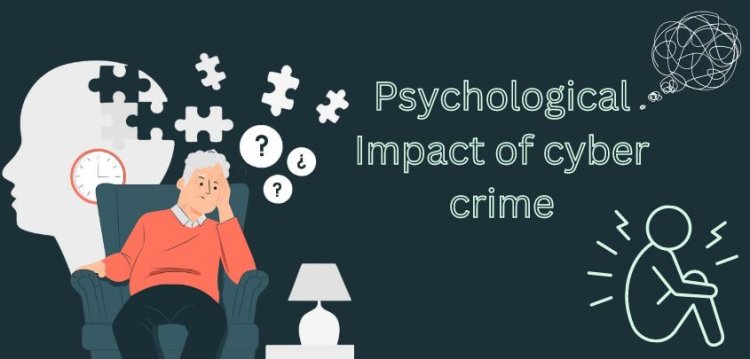
Cybersecurity is not purely technical—it is deeply psychological.
1. Social Engineering
Attackers manipulate human behavior through:
- Urgency
- Authority
- Fear
2. Cognitive Bias Exploitation
Common biases exploited include:
- Trust in familiar brands
- Fear of missing out (FOMO)
- Overconfidence in personal security
VIII. Future-Proofing Your Security Strategy
1. Preparing for AI-Driven Attacks
Future threats may include:
- Deepfake phishing
- Automated hacking systems
- Intelligent malware
2. Quantum Computing Risks
Quantum computing could break traditional encryption methods, requiring new cryptographic standards.
3. Decentralized Security Models
Blockchain-based security systems may offer:
- Transparency
- Tamper resistance
- Distributed trust
IX. Common Mistakes to Avoid
Even with knowledge, many users still fall into preventable traps:
- Using the same password everywhere
- Ignoring software updates
- Clicking unknown links
- Failing to back up data
Key Takeaway:
Cybersecurity failures are often behavioral, not technical.
Conclusion: Security as a Continuous Discipline
Cybersecurity is not a destination—it is an ongoing process of adaptation, learning, and resilience. As threats become more sophisticated, the importance of a structured, multi-layered defense strategy becomes increasingly clear.
By combining:
- Technical safeguards
- Human awareness
- Strategic thinking
…you can significantly reduce risk and build a robust digital defense system.