Gadgets and accessories are often treated as optional purchases, something users consider only after buying a primary device. However, in real-world usage, accessories frequently have a more direct impact on daily experience than the device itself. A high-end smartphone or laptop can feel incomplete, inefficient, or even uncomfortable without the right supporting tools.
In 2026, the role of accessories has expanded significantly. They are no longer just add-ons—they are extensions of how users interact with technology. Whether it’s improving ergonomics during long work sessions, enhancing audio quality in communication, or ensuring uninterrupted power throughout the day, accessories define how smoothly technology integrates into everyday life.
This shift means that choosing the right accessory is no longer a minor decision. It is a strategic one.
The Hidden Role of Accessories in Daily Tech Use

At first glance, accessories may seem secondary, but their influence is deeply embedded in daily workflows. Many performance or comfort issues that users attribute to their main devices are actually caused by suboptimal accessories.
- They extend the functional capabilities of core devices beyond their original design
- They reduce physical strain, especially during long sessions of work or gaming
- They improve efficiency by minimizing friction in daily interactions
- They allow users to customize their setup according to personal habits
For example, a user experiencing wrist pain while working may blame their laptop, when in reality, the issue is often caused by prolonged use of a trackpad instead of an ergonomic mouse. Similarly, poor audio quality in calls is frequently due to low-quality earbuds rather than the phone itself.
👉 Insight: Accessories don’t just support devices—they reshape how those devices are experienced.
Core Categories of Gadgets & Accessories
- Accessories can be understood more clearly when grouped into functional categories. Each category serves a different role, but together they form a complete ecosystem around the main device.
- Audio accessories focus on communication and entertainment. With the rise of remote work, their importance has increased dramatically, as clear audio is now essential for both professional and personal interactions.
- Input devices, such as keyboards and mice, are central to productivity. They determine how efficiently users can translate thoughts into actions, especially in work environments that require long hours of typing or navigation.
- Power accessories ensure continuity. Without reliable charging solutions, even the most powerful device becomes unusable. These accessories are particularly critical for users who travel frequently or work outside traditional office environments.
- Wearables extend interaction beyond screens, offering passive data collection and quick access to information.
- Mobile accessories, though simple, often provide the most consistent daily benefits. A well-designed case, stand, or cable can remove small frustrations that accumulate over time.
👉 Insight: The real value of accessories lies in how they complement each other, not just how they perform individually.
How to Evaluate Gadgets & Accessories
Evaluating accessories requires a shift from spec-based thinking to experience-based thinking. Unlike primary devices, where performance metrics are more standardized, accessories must be judged by how they integrate into real-life usage.
- Build quality → Does the product feel durable after weeks or months of use, not just out of the box?
- Ease of use → Can it be used immediately, or does it require constant adjustment or troubleshooting?
- Compatibility → Does it work seamlessly across multiple devices and platforms?
- Real-world performance → Does it maintain consistency under different conditions?
- Value → Does the improvement it provides justify the cost over time?
For example, a cheap charging cable may work initially but degrade quickly, leading to slower charging or connection issues. In contrast, a slightly more expensive but durable cable can provide a more reliable experience over a longer period.
👉 Insight: The best accessories are not the most advanced—they are the most reliable.
Audio Accessories: More Than Just Sound
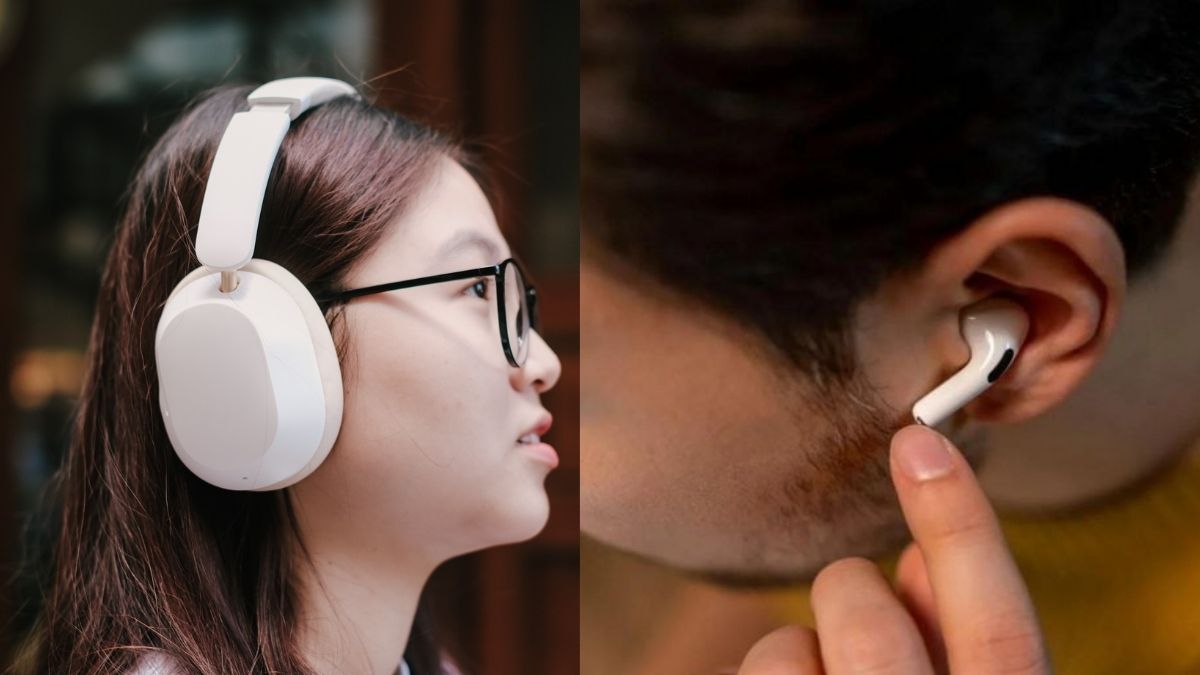
Audio devices are among the most widely used accessories, yet they are often misunderstood. Many users prioritize sound quality above all else, but in real-world scenarios, other factors become equally—if not more—important.
- Sound quality → Should be balanced and consistent, not artificially enhanced
- Comfort → Determines whether the device can be used for hours without fatigue
- Noise cancellation → Critical for maintaining focus in noisy environments
- Battery life → Must support a full day of mixed activities
Consider a user working in a busy café. Even if their earbuds have excellent sound quality, poor noise isolation can make it difficult to concentrate. Similarly, earbuds that sound great but become uncomfortable after an hour will not be practical for daily use.
👉 Insight: The true test of audio accessories is not how they sound in ideal conditions, but how they perform in imperfect, real-world environments.
Input Devices: Small Changes, Big Productivity Gains
Input devices are often underestimated because they do not directly affect system performance. However, they play a critical role in how efficiently users interact with their devices.
- Keyboards → Influence typing speed, accuracy, and long-term comfort
- Mouse → Affects precision, navigation speed, and wrist health
- Ergonomics → Reduces strain and prevents long-term injury
- Connectivity → Wireless adds flexibility, wired ensures stability
For users who spend several hours a day working on a computer, even small inefficiencies can accumulate into significant productivity losses. A poorly designed keyboard can slow typing speed, while an uncomfortable mouse can lead to fatigue and reduced precision.
👉 Insight: Productivity is not just about speed—it’s about reducing friction in every interaction.
Power & Charging Accessories
Power accessories determine whether devices remain usable throughout the day. Their importance becomes especially clear in situations where access to power is limited.
- Fast charging → Allows quick recovery of battery during short breaks
- Power banks → Provide independence from fixed power sources
- Safety → Protect devices from voltage instability or overheating
- Portability → Must balance size, weight, and capacity
For example, a user who relies on their phone for navigation, communication, and work cannot afford to run out of battery during the day. In such cases, a reliable power bank is not just convenient—it is essential.
👉 Insight: Power accessories are less about performance and more about reliability and peace of mind.
Smart Wearables: Convenience vs Real Value
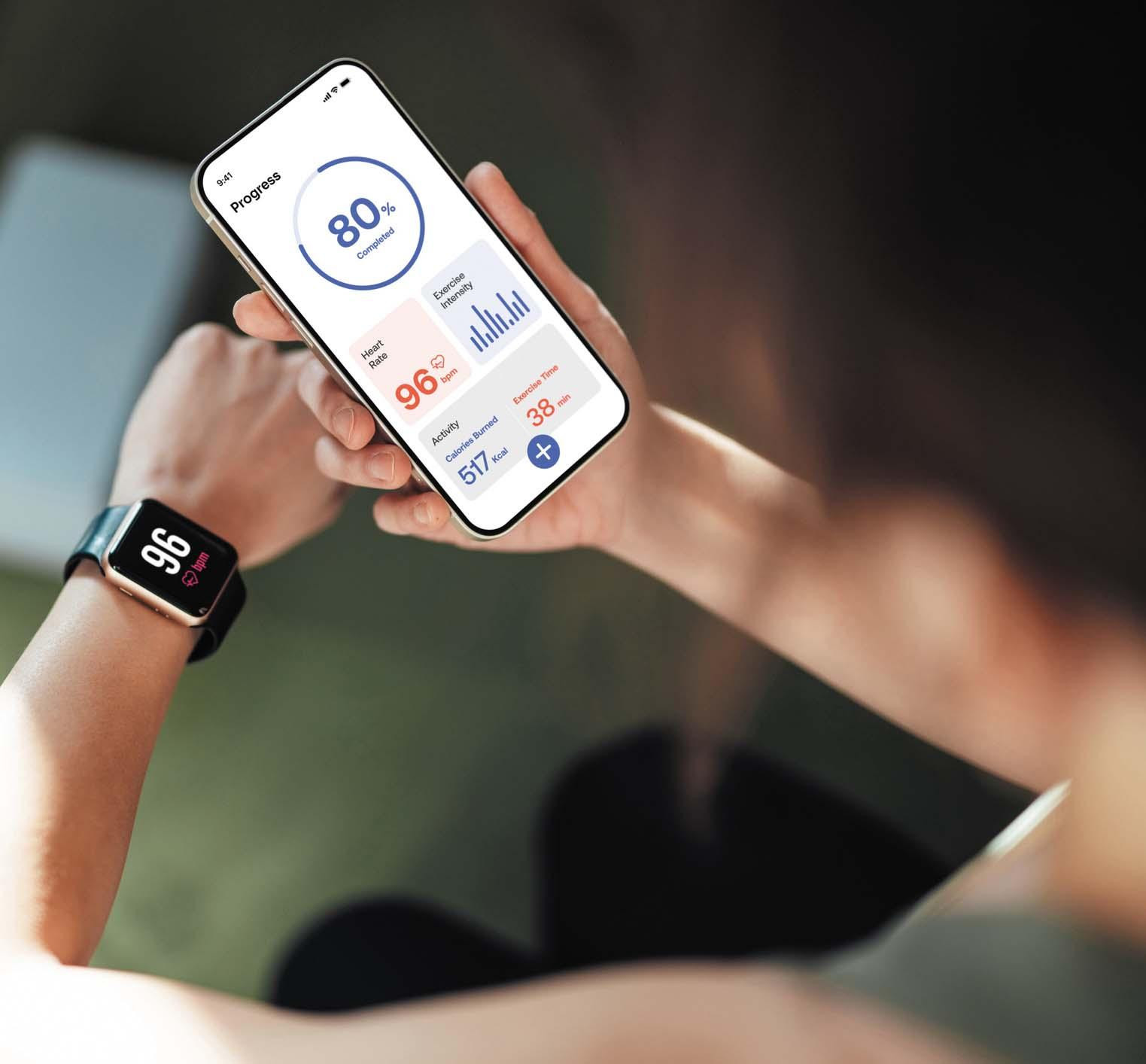
Smart wearables offer a unique blend of functionality and convenience, but their value varies widely depending on user behavior.
- Health tracking → Useful for monitoring activity and wellness
- Notifications → Reduce the need to constantly check a phone
- Ecosystem integration → Enhances usability within the same brand
- Battery constraints → Require regular charging, which can be inconvenient
For some users, these features provide meaningful benefits. For others, they may feel redundant or unnecessary. The key factor is how well the device aligns with the user’s lifestyle.
👉 Insight: A wearable is only valuable if it becomes part of your daily routine.
Mobile Accessories: The Most Underrated Upgrades
Mobile accessories are often the simplest purchases, yet they deliver consistent and immediate benefits.
- Cases → Protect devices and improve grip
- Stands → Enable hands-free usage and better posture
- Cables → Ensure stable charging and data transfer
These accessories are used multiple times every day, which makes their impact cumulative. A poorly designed cable or stand may seem like a minor inconvenience, but repeated friction can significantly affect overall experience.
👉 Insight: The most frequently used accessories often have the greatest long-term impact.
Real-World Scenario: Remote Work Setup
A basic setup using only a laptop may be functional, but it is rarely optimized for comfort or efficiency. Over time, users may experience fatigue, slower typing speeds, and reduced focus.
When additional accessories are introduced—such as an external keyboard, ergonomic mouse, and noise-canceling headphones—the improvement is immediate and noticeable. Typing becomes more natural, navigation more precise, and the ability to focus increases due to reduced distractions.
This transformation highlights a key principle: performance is not just about hardware, but about the entire environment in which that hardware is used.
👉 Insight: Accessories can transform a basic setup into a professional-grade workspace.
Common Mistakes When Buying Accessories
Many users approach accessory purchases without a clear understanding of their needs, leading to suboptimal decisions.
- Buying based on brand reputation rather than actual use case
- Ignoring compatibility with existing devices
- Paying for features that are rarely used
- Choosing low-cost products that degrade quickly
These mistakes often result in wasted money and frustration, reinforcing the importance of thoughtful decision-making.
👉 Insight: The best purchase is not the most expensive—it is the most appropriate.
Trends in Gadgets & Accessories (2026)

The accessories market is evolving rapidly, driven by technological advancements and changing user expectations.
- Wireless ecosystems reducing reliance on cables
- AI integration enabling smarter, adaptive features
- Cross-device compatibility becoming standard
- Sustainability influencing product design and materials
These trends indicate a shift toward accessories that are not only functional, but also intelligent and adaptable.
Final Thoughts: Small Upgrades, Big Impact
Accessories may not receive as much attention as primary devices, but their influence on daily experience is profound. They determine how comfortable, efficient, and reliable your technology feels in real-world use.
By focusing on thoughtful, need-based upgrades, users can significantly enhance their setup without the need for expensive device replacements.
👉 In many cases, the smartest upgrade is not buying a new device—but improving how you use the one you already have.