The exponential growth of data, combined with advancements in computational power and distributed systems, has transformed software tools into intelligent, adaptive systems. These systems not only assist users but also learn from behavior, predict outcomes, and automate complex processes. As a result, organizations and individuals alike are increasingly dependent on a diverse ecosystem of tools to remain competitive.
This article explores the top ideas shaping the future of software tools, presenting a structured, scientific, and analytical perspective on their evolution, applications, and strategic importance.
1. Artificial Intelligence as the Core Engine of Software Tools
.png)
1.1 The Rise of Intelligent Systems
Artificial Intelligence (AI) has transitioned from a theoretical discipline into a practical cornerstone of modern software tools. AI-driven systems are capable of:
- Pattern recognition
- Predictive analytics
- Natural language processing
- Autonomous decision-making
These capabilities enable software tools to move beyond static functionality toward dynamic intelligence.
1.2 Machine Learning Integration
Machine learning (ML), a subset of AI, allows software tools to improve over time without explicit programming. Key applications include:
- Recommendation engines
- Fraud detection systems
- Customer behavior modeling
- Adaptive user interfaces
Scientific Insight:
ML models rely on statistical inference, optimization algorithms, and large datasets. The effectiveness of these tools increases as data volume and quality improve, following principles such as bias-variance tradeoff and model generalization.
1.3 Generative AI and Content Automation
Generative AI tools are revolutionizing content creation by producing:
- Text
- Images
- Code
- Audio
This reduces production time while increasing scalability. However, challenges remain in ensuring accuracy, ethical usage, and bias mitigation.
2. Cloud Computing and Software Accessibility

2.1 The Shift to Cloud-Native Architecture
Cloud computing has fundamentally redefined how software tools are developed and deployed. Instead of local installations, tools are now:
- Hosted on remote servers
- Accessible via browsers
- Scalable on demand
Benefits:
- Reduced infrastructure cost
- High availability
- Real-time updates
2.2 Software as a Service (SaaS)
SaaS models have democratized access to advanced tools. Users can subscribe to services without heavy upfront investment.
Key Characteristics:
- Multi-tenant architecture
- Subscription-based pricing
- Continuous integration and deployment
2.3 Edge Computing Integration
To reduce latency and improve performance, modern tools are integrating edge computing, processing data closer to the source rather than relying solely on centralized servers.
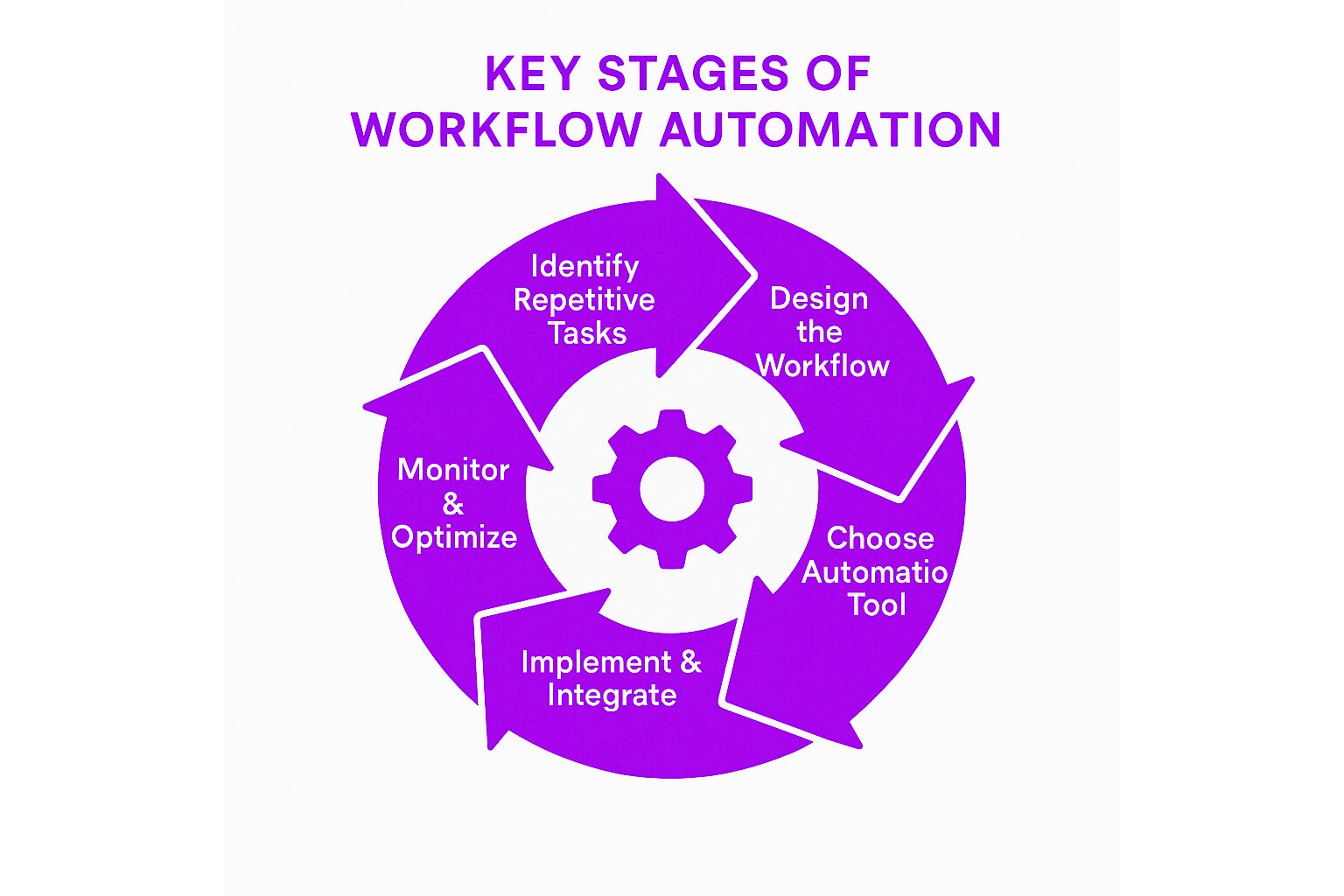
3. Automation and Workflow Optimization
3.1 Robotic Process Automation (RPA)
RPA tools automate repetitive tasks such as:
- Data entry
- Invoice processing
- Report generation
Impact:
- Increased efficiency
- Reduced human error
- Cost savings
3.2 Intelligent Automation
Combining AI with RPA results in intelligent automation, enabling systems to:
- Handle unstructured data
- Make contextual decisions
- Adapt workflows dynamically
3.3 Process Mining and Optimization
Advanced tools analyze workflows using process mining techniques, identifying inefficiencies and suggesting improvements.
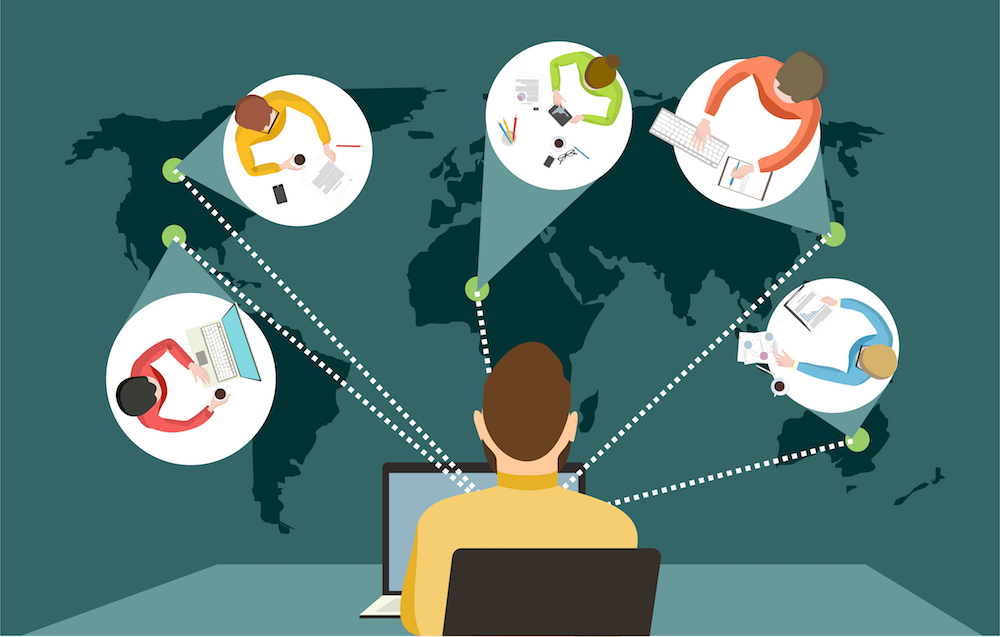
4. Collaboration and Remote Work Tools
4.1 The Evolution of Digital Collaboration
Modern collaboration tools support:
- Real-time communication
- File sharing
- Project management
- Virtual meetings
4.2 Distributed Workforce Enablement
With the rise of remote work, software tools now prioritize:
- Cross-platform accessibility
- Real-time synchronization
- Security and compliance
4.3 Asynchronous Communication
Tools increasingly support asynchronous workflows, allowing teams to collaborate across time zones without delays.
5. Cybersecurity and Privacy-Focused Tools
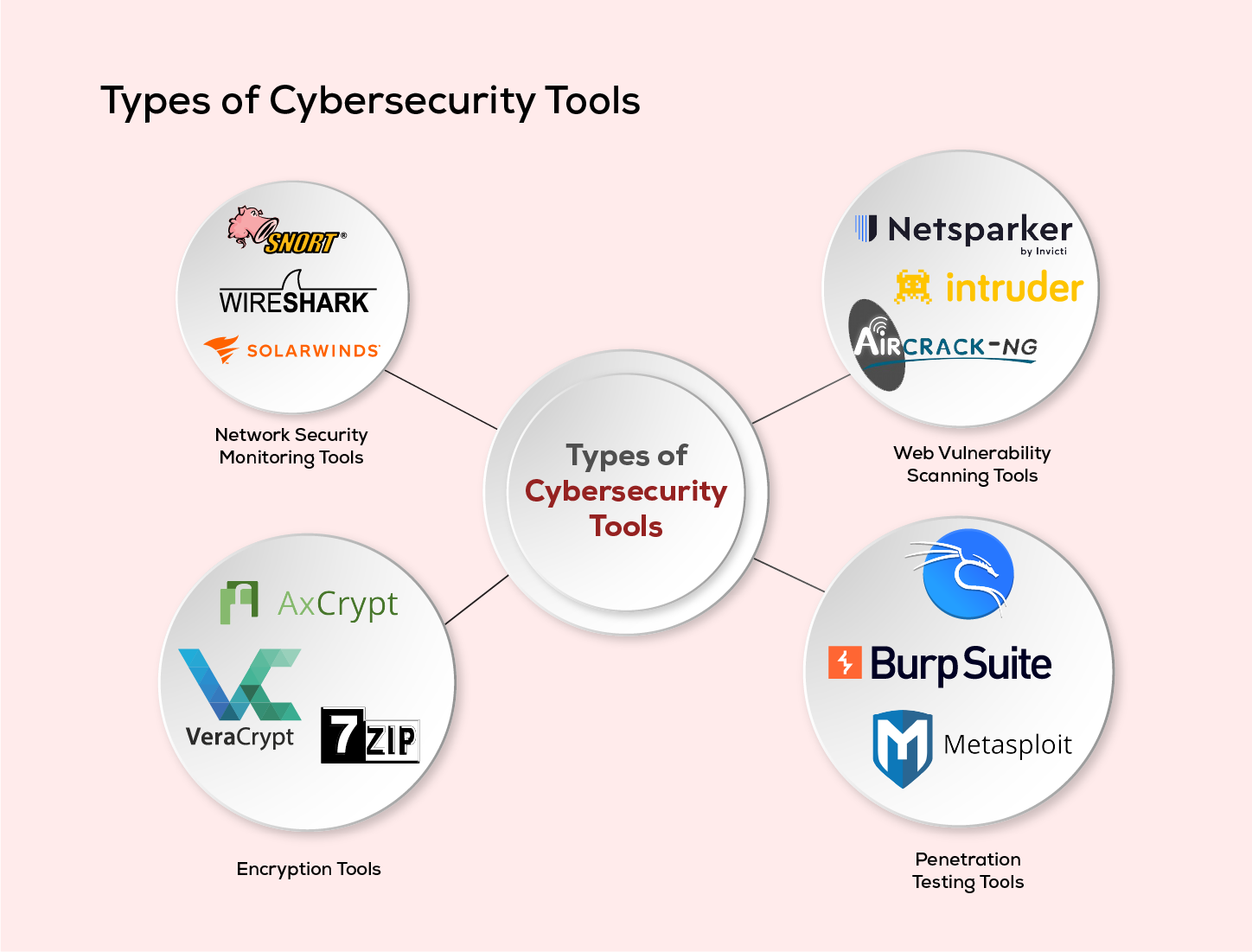
5.1 Increasing Threat Landscape
As digital systems expand, cybersecurity threats have become more sophisticated. Software tools must now incorporate:
- Encryption
- Threat detection
- Access control
5.2 Zero Trust Architecture
Modern security tools adopt a zero trust model, where:
- No user is trusted by default
- Continuous verification is required
5.3 Privacy-Enhancing Technologies
Tools now integrate privacy-focused techniques such as:
- Differential privacy
- Secure multi-party computation
- Homomorphic encryption
6. Developer Tools and Low-Code Platforms
.png)
.png)
6.1 The Rise of Low-Code and No-Code Development
Low-code platforms enable users to build applications with minimal programming knowledge.
Advantages:
- Faster development cycles
- Reduced dependency on developers
- Increased accessibility
6.2 DevOps and Continuous Integration
Modern developer tools support:
- Automated testing
- Continuous deployment
- Version control
6.3 API-First Development
Software tools increasingly adopt API-first approaches, enabling seamless integration across platforms.
7. Data Analytics and Business Intelligence Tools
.png)
7.1 The Importance of Data-Driven Decision Making
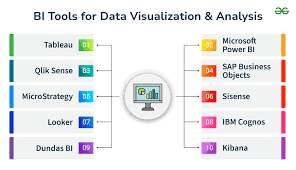
Organizations rely on data analytics tools to:
- Identify trends
- Predict outcomes
- Optimize strategies
7.2 Real-Time Analytics
Modern tools provide real-time insights, enabling faster and more accurate decision-making.
7.3 Data Visualization
Visualization tools transform complex datasets into intuitive formats such as:
- Charts
- Dashboards
- Interactive graphs
8. Human-Centered Design and User Experience
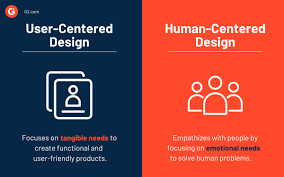
8.1 The Role of UX in Software Tools
User experience (UX) has become a critical factor in software adoption.
Key Principles:
- Usability
- Accessibility
- Responsiveness
8.2 Adaptive Interfaces
Modern tools adapt to user behavior, providing personalized experiences.
8.3 Accessibility Standards
Software tools increasingly comply with accessibility guidelines to ensure inclusivity.
9. Integration and Interoperability


9.1 The Need for Connected Systems
Organizations use multiple tools, making integration essential.
9.2 Middleware and Integration Platforms
Integration tools act as bridges between systems, enabling seamless data flow.
9.3 Microservices Architecture
Modern software tools are built using microservices, allowing:
- Scalability
- Flexibility
- Independent deployment
10. Sustainability and Green Software Engineering


10.1 Environmental Impact of Software
Software systems consume significant energy, contributing to carbon emissions.
10.2 Energy-Efficient Algorithms
Developers are optimizing algorithms to reduce computational costs.
10.3 Sustainable Cloud Practices
Cloud providers are adopting renewable energy sources and efficient data center designs.
11. Emerging Trends and Future Directions

11.1 Quantum Computing Integration
Although still in early stages, quantum computing has the potential to revolutionize software tools.
11.2 Augmented Reality (AR) and Virtual Reality (VR)
AR/VR tools are transforming industries such as:
- Education
- Healthcare
- Gaming
11.3 Autonomous Software Systems
Future tools may operate independently, making decisions without human intervention.
Conclusion
The evolution of software tools reflects a broader transformation in how humans interact with technology. From intelligent automation to cloud-native ecosystems, these tools are not only enhancing productivity but also redefining the boundaries of innovation.
The top ideas explored in this article—AI integration, cloud computing, automation, cybersecurity, and more—highlight the multidimensional nature of modern software development. As technology continues to advance, the convergence of these ideas will lead to increasingly sophisticated and autonomous systems.
To remain competitive in this dynamic environment, individuals and organizations must adopt a strategic approach to software tool selection, focusing on scalability, interoperability, and long-term sustainability.