Artificial Intelligence automation in 2026 has undergone a fundamental transformation. What was once limited to rule-based scripting and deterministic workflows has evolved into adaptive, context-aware, and increasingly autonomous systems capable of decision-making, learning, and execution without constant human intervention.
This paradigm shift is driven by three converging technologies:
- Large Language Models (LLMs) enabling reasoning and natural interaction
- Workflow orchestration platforms connecting data, APIs, and actions
- AI agents capable of multi-step autonomous execution
As a result, AI automation is no longer a productivity tool — it is now a core infrastructure layer for digital operations.
This article provides a deep, structured, and comparative analysis of the top AI automation tools in 2026, helping businesses, developers, and marketers build scalable intelligent systems.
Understanding AI Automation: A Technical Perspective

AI automation can be defined as:
The integration of machine intelligence into workflow systems to enable dynamic decision-making, adaptive execution, and continuous optimization.
Unlike traditional automation, which follows predefined rules, AI automation introduces:
- Probabilistic reasoning instead of fixed logic
- Contextual awareness across workflows
- Self-improving feedback loops
Core Architecture of AI Automation Systems
To understand how modern tools differ, we must first examine the underlying architecture.
1. Input Layer
This layer captures data from multiple sources:
- APIs
- User prompts
- Databases
- External platforms
2. Intelligence Layer
The most critical component:
- LLMs (natural language reasoning)
- Predictive models (forecasting, classification)
- Memory systems (context retention)
3. Orchestration Layer
This is where automation happens:
- Trigger-based workflows
- Conditional branching
- Event-driven execution
4. Execution Layer
Actions are performed here:
- API calls
- Data transformation
- External system updates
5. Feedback Loop
Continuous improvement:
- Human-in-the-loop correction
- Reinforcement learning
- Performance optimization
👉 The strength of an AI automation tool depends on how well it integrates these layers.
Evaluation Framework: How to Compare AI Automation Tools Scientifically
To ensure objectivity, we evaluate tools using five core dimensions:
1. Cognitive Capability Index (CCI)
- Depth of reasoning
- Context awareness
- Autonomy level
2. Integration Complexity Score (ICS)
- Number of integrations
- API flexibility
- Webhook support
3. Workflow Elasticity
- Ability to handle dynamic conditions
- Multi-step and branching logic
4. Scalability & Performance
- Latency
- Throughput
- Enterprise readiness
5. Economic Efficiency
- Pricing model
- Cost per workflow
- ROI potential
Top AI Automation Tools in 2026 (In-Depth Analysis)
1. Zapier — Simplified AI Automation for Mass Adoption
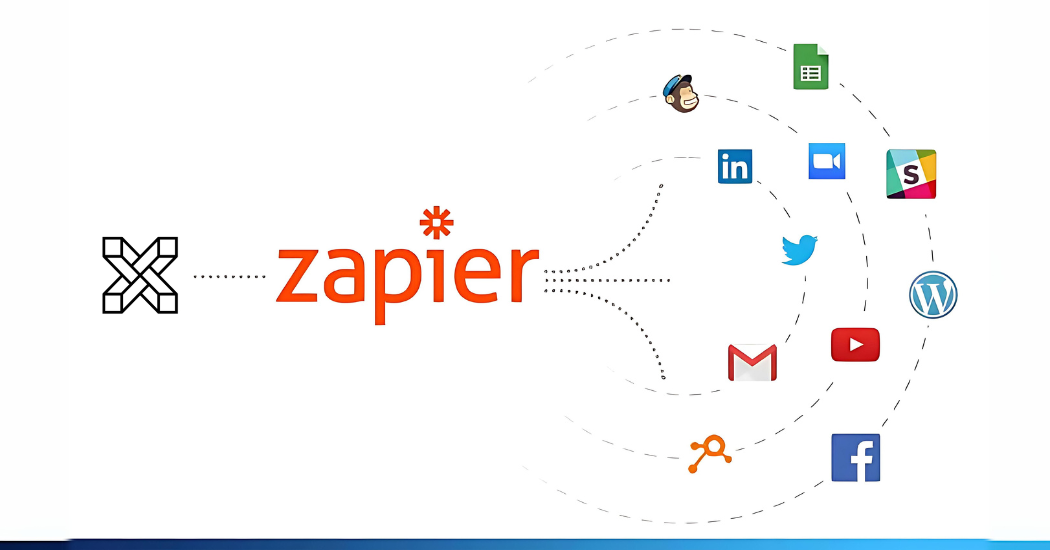
Zapier remains one of the most accessible automation platforms, now enhanced with AI-driven workflow generation.
Strengths:
- Extremely user-friendly (no-code)
- Massive integration ecosystem (6000+ apps)
- Fast deployment
Limitations:
- Limited flexibility for complex logic
- Less control over deep customization
Best For:
- Small businesses
- Marketing automation
- Rapid deployment scenarios
2. Make (Integromat) — Advanced Visual Workflow Engineering
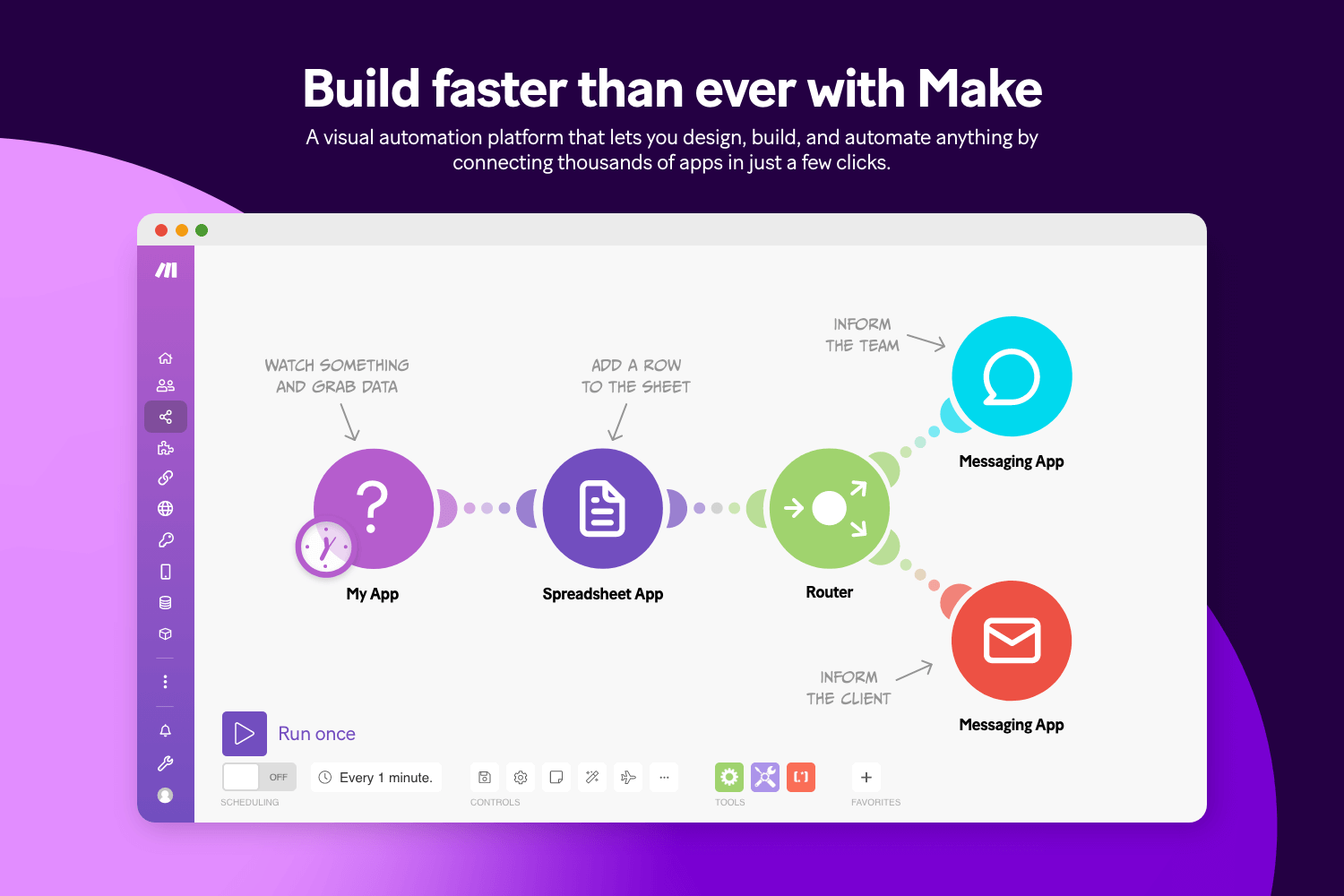
Make offers a more sophisticated approach with visual logic mapping and granular control.
Strengths:
- Advanced branching logic
- Real-time execution
- High flexibility
Weaknesses:
- Steeper learning curve
- Requires technical understanding
Best For:
- Data-heavy workflows
- E-commerce systems
- Advanced automation users
3. UiPath — Enterprise AI + RPA Integration
UiPath leads in enterprise automation by combining AI with robotic process automation.
Strengths:
- Process mining
- Document AI
- Enterprise scalability
Limitations:
- High cost
- Complex implementation
Best For:
- Large enterprises
- Finance, healthcare, logistics
4. OpenAI API — The Core Intelligence Engine

OpenAI provides the foundational intelligence layer for modern AI automation.
Strengths:
- Advanced reasoning capabilities
- Highly customizable
- Supports autonomous agents
Weaknesses:
- Requires development expertise
- Infrastructure dependency
Best For:
- Developers
- Startups
- Custom AI systems
5. Microsoft Power Automate — Enterprise Workflow Integration
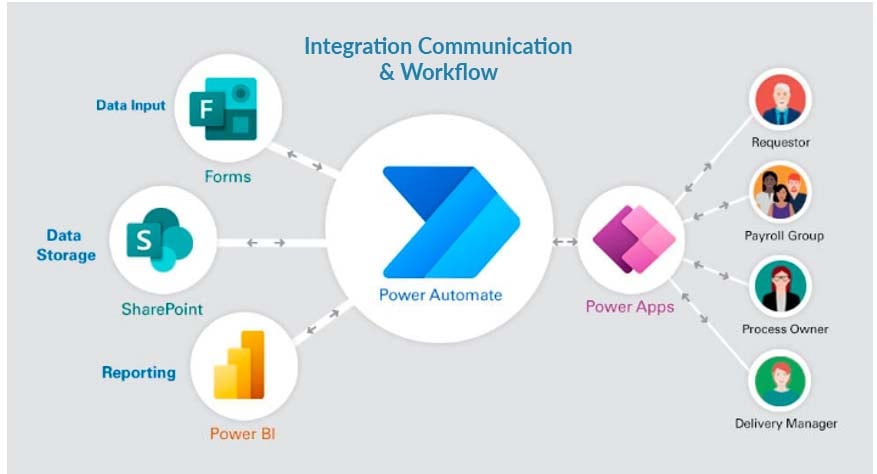
Deeply integrated into the Microsoft ecosystem.
Strengths:
- Seamless Microsoft 365 integration
- Enterprise-grade security
- AI Copilot support
Best For:
- Corporate environments
- Internal workflow automation
6. n8n — Open-Source Flexibility
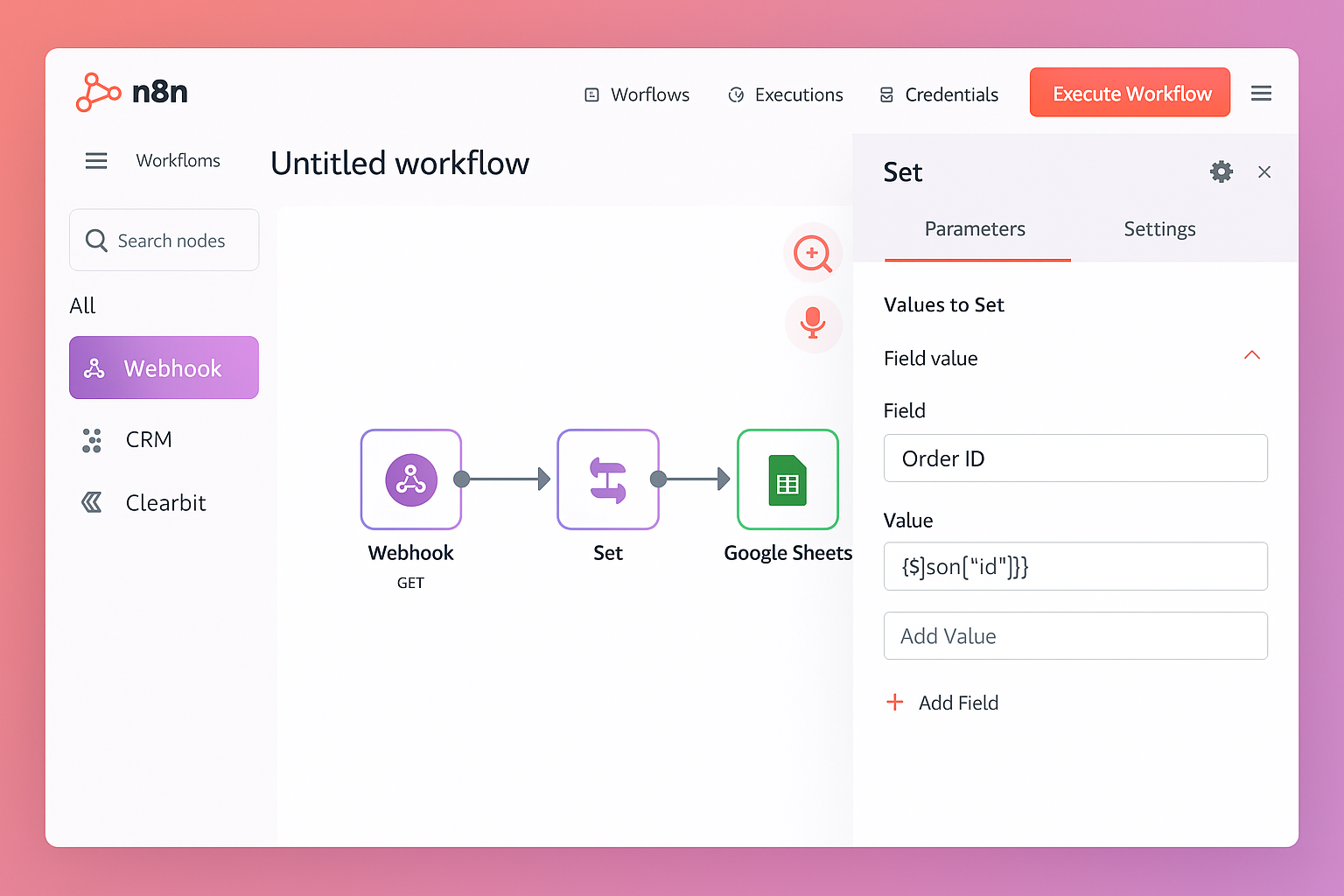
A powerful alternative for developers seeking control.
Strengths:
- Self-hosting
- High customization
- Cost efficiency
Best For:
- Developers
- Privacy-focused systems
7. HubSpot AI — Marketing Automation Intelligence

A specialized tool for customer lifecycle automation.
Strengths:
- Built-in CRM
- AI personalization
- Marketing automation
Best For:
- Sales and marketing teams
Comparative Analysis Table
| Tool | AI Capability | Flexibility | Ease of Use | Enterprise Ready | Ideal Use Case |
|---|---|---|---|---|---|
| Zapier | Medium | Low | Very High | Medium | SMB automation |
| Make | Medium | High | Medium | Medium | Complex workflows |
| UiPath | High | High | Low | Very High | Enterprise RPA |
| OpenAI | Very High | Very High | Low | High | Custom AI systems |
| Power Automate | High | Medium | Medium | Very High | Corporate workflows |
| n8n | Medium | Very High | Low | Medium | Developers |
| HubSpot | Medium | Low | High | Medium | Marketing |
Use Case Applications Across Industries
1. Marketing Automation
AI enables:
- Personalized email campaigns
- Content generation pipelines
- Ad optimization systems
👉 Tools like HubSpot and Zapier dominate this space.
2. Business Operations
Applications include:
- Workflow optimization
- Data processing pipelines
- Reporting automation
👉 UiPath is a leading solution here.
3. Developer Automation
- Backend orchestration
- AI agent systems
- DevOps automation
👉 OpenAI API and n8n are key tools.
4. Content & SEO Automation
- Programmatic SEO
- Keyword clustering
- AI content pipelines
👉 A hybrid stack often delivers the best results.
Advanced Workflow Examples
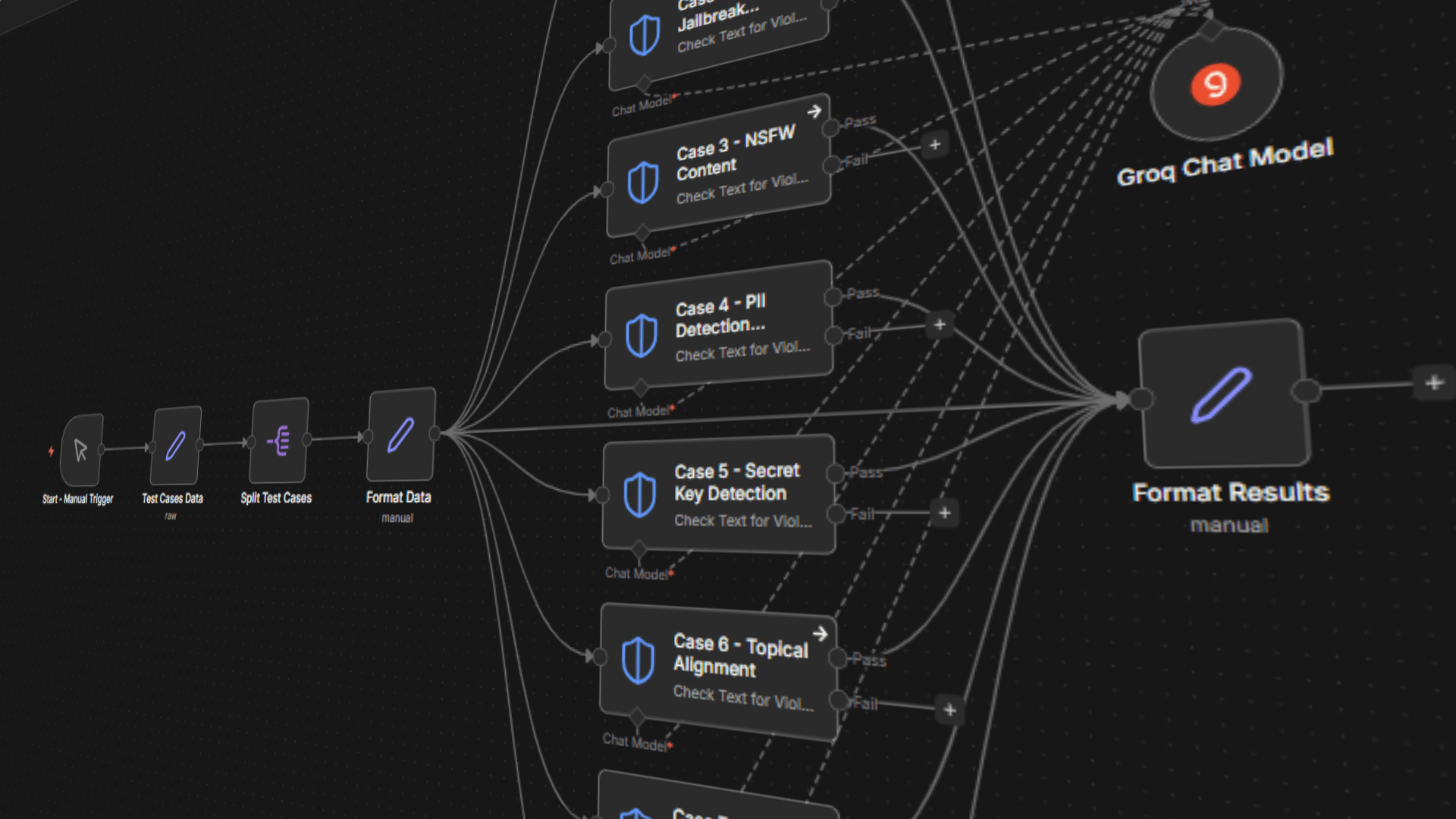
AI Content Engine
- Input keyword
- Generate outline (AI)
- Expand into full article
- Optimize for SEO
- Publish automatically
AI Lead Generation Funnel
- Data scraping
- AI enrichment
- Personalized outreach
- CRM integration
AI Business Intelligence System
- Data ingestion
- AI analysis
- Dashboard generation
Emerging Trends in AI Automation (2026 and Beyond)
1. Autonomous AI Agents
AI systems capable of executing multi-step workflows independently.
2. AI Orchestration Layers
Platforms that coordinate multiple AI models simultaneously.
3. Hyper-Personalization
Real-time, user-specific experiences at scale.
4. Self-Optimizing Systems
AI workflows that improve without manual intervention.
Challenges and Limitations
Despite its power, AI automation still faces critical challenges:
- Model hallucination
- Data privacy concerns
- High infrastructure costs
- Over-automation risks
👉 Strategic implementation is essential.
How to Choose the Right AI Automation Tool
Step-by-Step Framework
- Define your use case
- Assess technical capability
- Evaluate budget constraints
- Choose between:
- No-code tools
- Developer platforms
- Hybrid systems
AI Automation Stack Strategy (Expert Insight)
The most effective systems in 2026 are hybrid architectures:
- Frontend automation: Zapier / Make
- Intelligence layer: OpenAI
- Backend control: n8n
👉 This approach maximizes flexibility and scalability.
Future Outlook: The Rise of Intelligent Systems

AI automation is evolving toward:
- Fully autonomous workflows
- Predictive execution
- Self-learning systems
The next frontier is not automation — it is digital intelligence ecosystems.
Conclusion — From Tools to Systems Thinking
The competitive advantage in 2026 does not come from using AI tools individually, but from:
Designing interconnected, intelligent automation systems that evolve over time.
Organizations that master this shift will define the next era of digital transformation.
FAQ (SEO Optimized)
What are AI automation tools?
AI automation tools integrate artificial intelligence into workflows to enable dynamic, intelligent execution.
Which AI automation tool is best in 2026?
It depends on use case:
- Beginners: Zapier
- Developers: OpenAI + n8n
- Enterprises: UiPath
Are AI automation tools expensive?
Costs vary widely, from free open-source solutions to enterprise-level pricing.
Can small businesses use AI automation?
Yes, especially with no-code platforms.
What is the difference between AI agents and automation tools?
Automation tools execute workflows; AI agents can decide, adapt, and act autonomously.